Editor’s note: This post was written by Norah Hinson, a Mammoth High School junior and Experience Ambientalia student.
This past July, I traveled to Argentina as a representative of Mono Lake with the Experience Ambientalia program. After a year of monthly excursions in the Mono Basin, six students from Lee Vining, Mammoth, and Bishop were selected to go to Argentina.
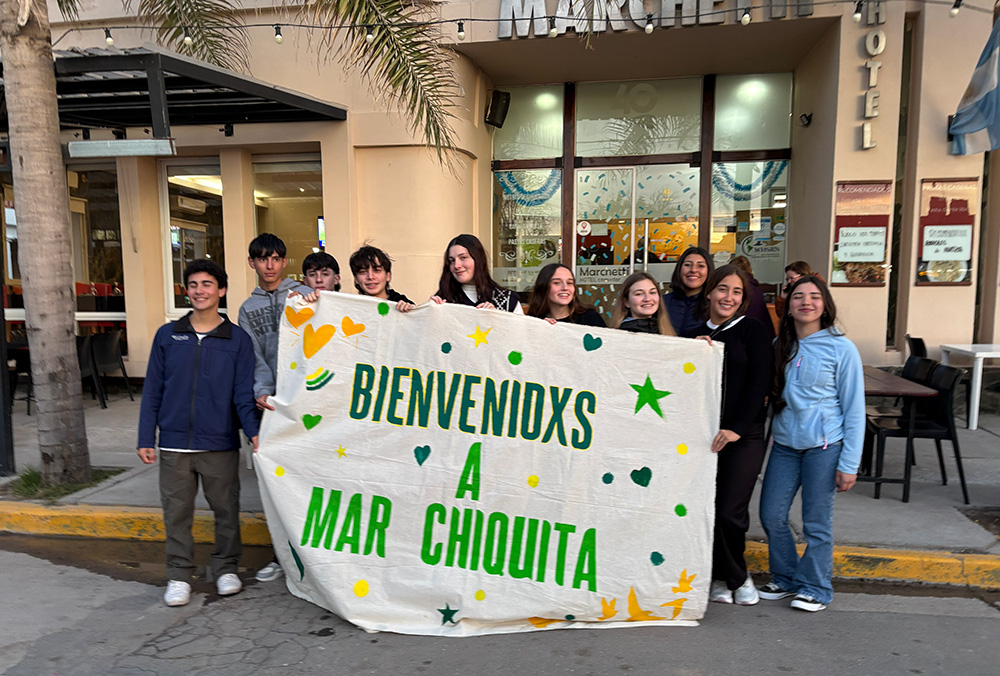
After a 32-hour travel day, we arrived in Miramar, Cordoba, in the central region of Argentina. We were greeted by all the Argentinian students, from both Laguna de Pozuelos and Laguna Mar Chiquita, with music, posters, and lots of hugs. It was interesting to see how different the students from Pozuelos and Mar Chiquita were. They are from two different regions—Pozuelos is located in far northwestern Argentina, in the Andes, and Mar Chiquita is in central Argentina—and they have two totally different cultures. The Pozuelos students were quieter and more shy, while the kids from Cordoba were loud and very friendly.
As we settled in, we met our roommates. Luckily for me, my roommate Sofia spoke English, so we were able to communicate very well. We started off getting to know each other by talking about how our lives are back at home. At dinner that night, we introduced ourselves in our non-native languages. I said my name (Norah), which lake I’m from (Mono), and my age (16). All of the participants ranged in age from fifteen to eighteen. It was cool to connect with all sorts of different people of different ages, who all cared about similar things as me. That night we were introduced to the Argentinian foods that were a highlight of the trip for me. Each night, Sofia told me what I was eating, so that there were no surprises. One thing that was hard to adjust to was the late nights and early mornings. We would go to sleep well after midnight and wake up before six. Luckily, we had long bus rides every morning, so I could catch up on sleep.
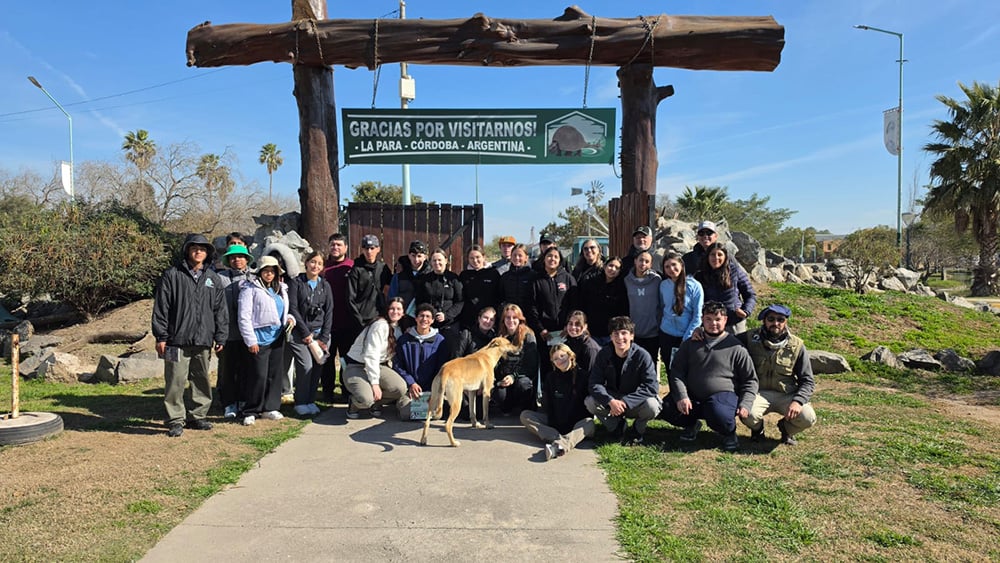
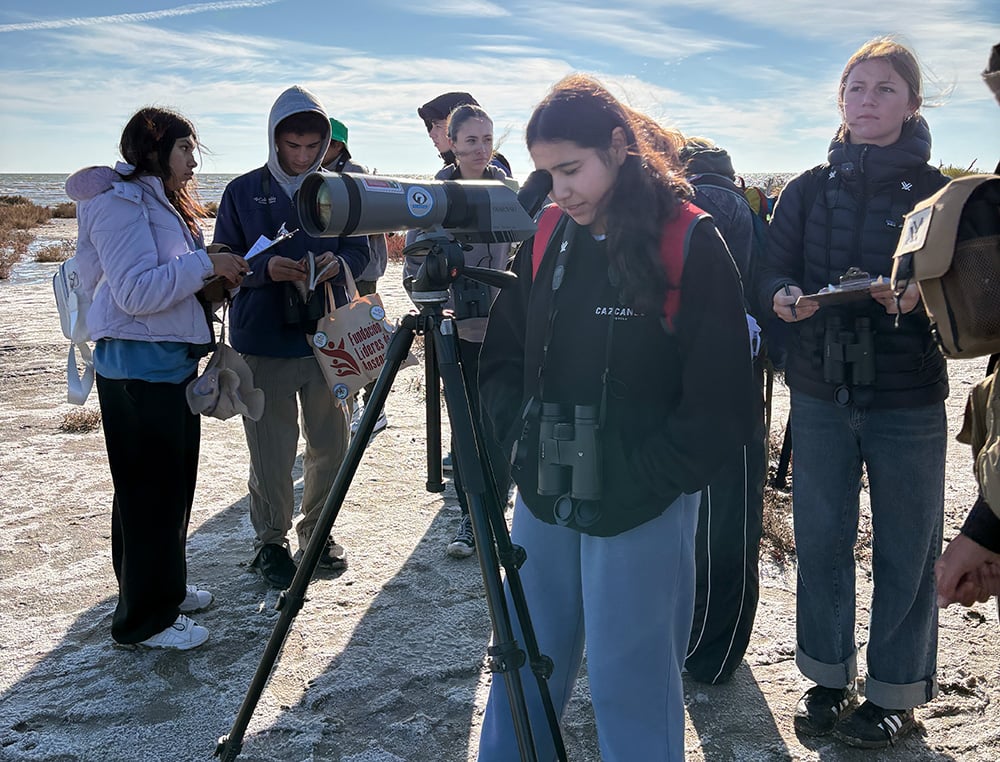
On the first day, we went bird watching on the shore of Laguna Mar Chiquita and saw flamingos. Then we visited museums, the national park, and local non-profit sites in La Para. While in that town, we went to a spot where they convert plastic bottles into insulation and concrete tiles. At the national park, we attended a lecture about how shorebirds are defined and how they affect their ecosystems. Later that night I ate dulce de leche ice cream, played soccer on the beach, and started to become good friends with a lot of the other students.
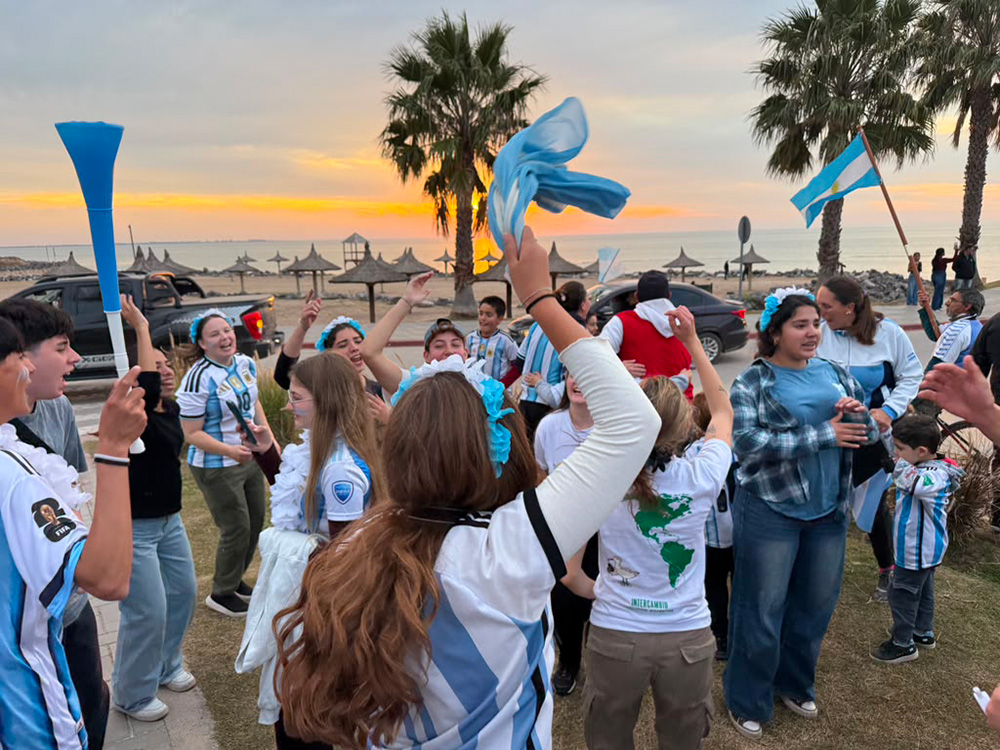
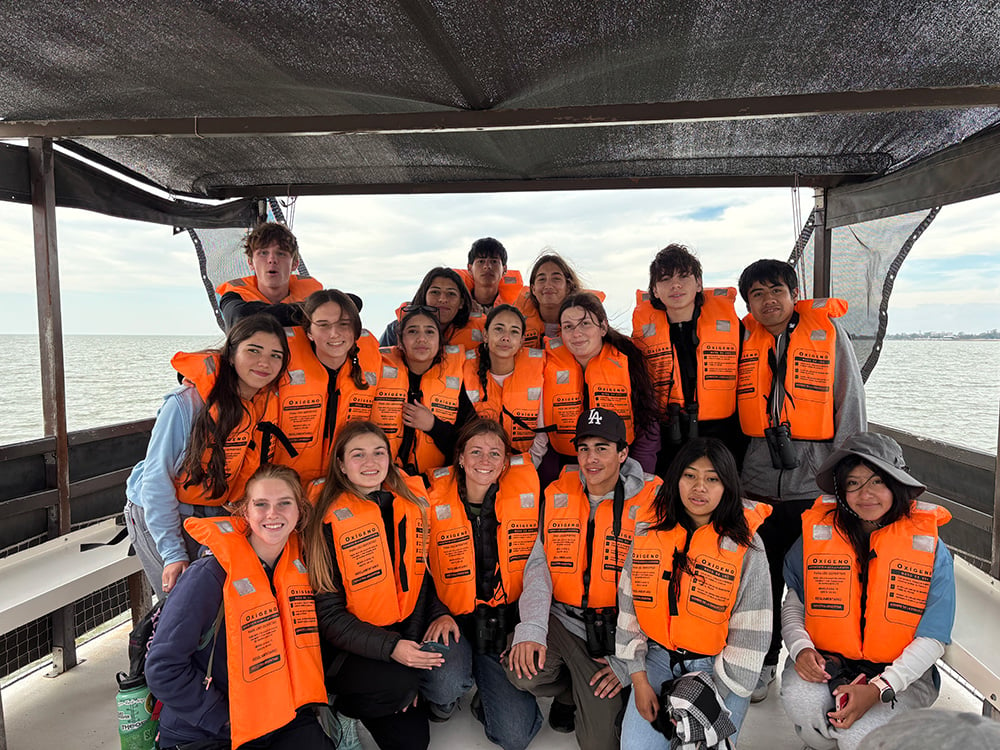
The next day we went to a nature reserve and debated what should be done with the area. We discussed whether it should become public, stay private, or if it is worth protecting it at all. After that, we ate the best empanadas in Argentina: sweet pork, salty, and chicken. My favorite was the salty, but most of the locals liked the sweet. After returning to Miramar, we took a boat ride on a “pirate ship” to see flamingos up close. We rushed back to the hotel to get ready for the England versus Argentina semi-final of the World Cup. I went into the game secretly rooting for England but was quickly converted to an Argentina fan after seeing how much they loved their team. After Argentina won, the streets were flooded with motorcycles, cars, and people cheering for their win. My favorite part of the trip was definitely being in an environment where one thing can bring so many people together and excited over a single team.
Later that night, we went to an abandoned hotel that was rumored to be haunted. Hearing the stories from our tour guide made me really believe in them, and even my translator was too scared to tell me the full stories. This was when I made the most friends because we all bonded over being terrified. Afterwards, the Americans were served specially-prepared Argentinian steaks—one of the best dinners all week. After dinner, we were tie-dying T-shirts until one in the morning and having a good time hanging out with each other.
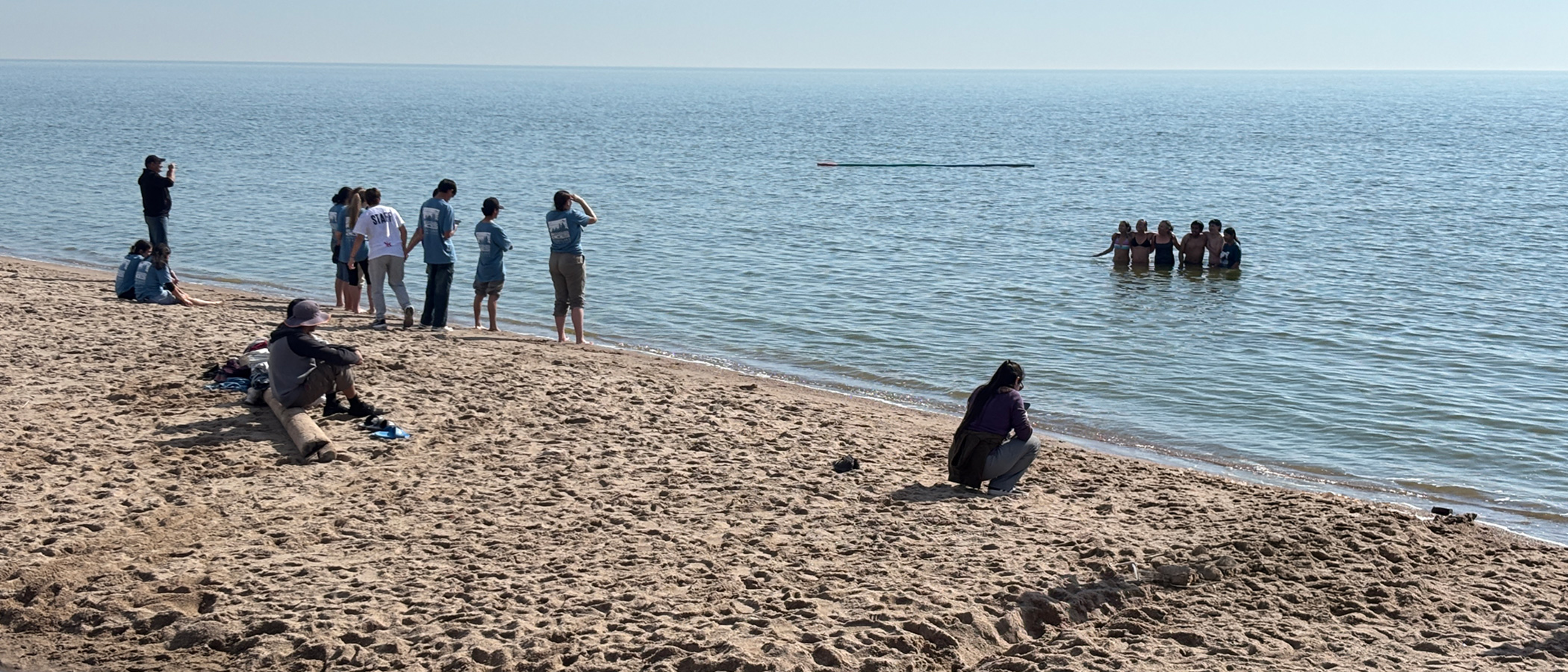
On the morning of the third day, we split into two groups. One group went horseback riding around the more rural part of Miramar. The second group went on a scavenger hunt, finding tourist and environmentalist sites around town. After meeting back up, a few of us swam in the lake, which everyone else thought was crazy because it was the middle of winter there. Next, we traveled to a dairy farm and learned that almost all the dairy for the region came from their cows. We also learned about the tests and technology being used to keep the cows healthy and the milk at its best. Later we went to the farmhouse and ate milk, bread, and cheese that all came from the dairy of the cows we had just seen. Before heading back to Miramar and our hotel, we went to the town of Balnearia, where we met up with a bunch of other students that participate in Ambientalia throughout the area. There we played games and learned a piece of a native folk dance. I loved this because until then we had been learning more about the environment in the area and less about Argentinian culture. Once we got back to the hotel, we quickly ate one of the best dinners of the trip—an all-you-can-eat meat buffet—and sadly had to rush through the dessert, which was my favorite part. I was so stuffed I could barely walk. We had rushed to get to a stargazing activity where we used virtual reality to look at the solar system and galaxy and used high-power telescopes to look at the stars.
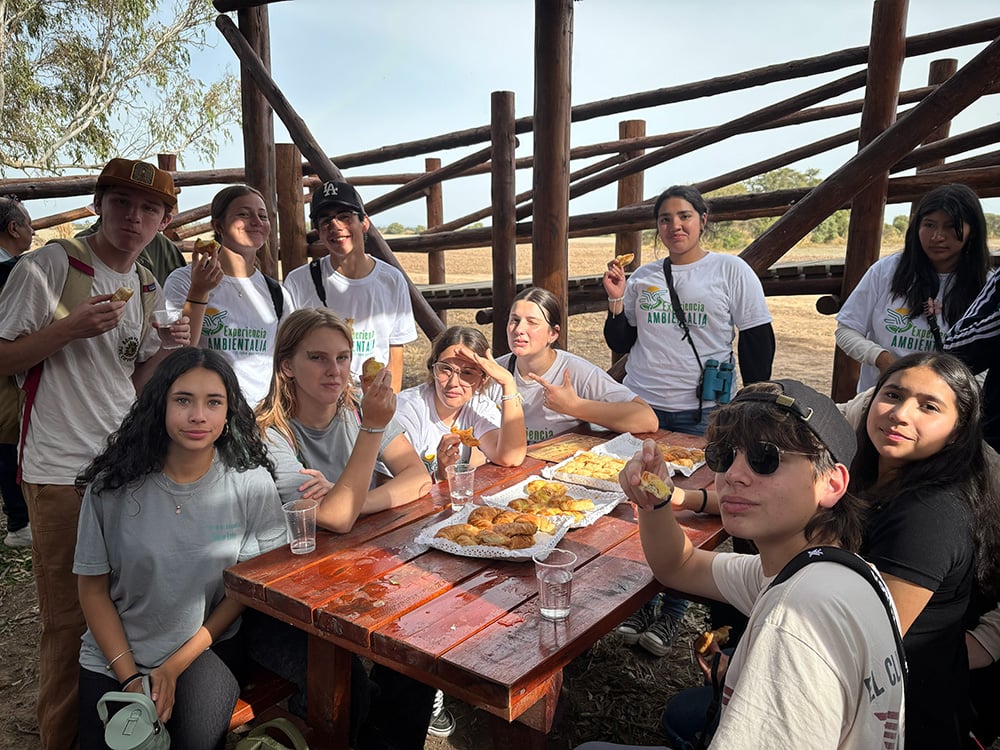
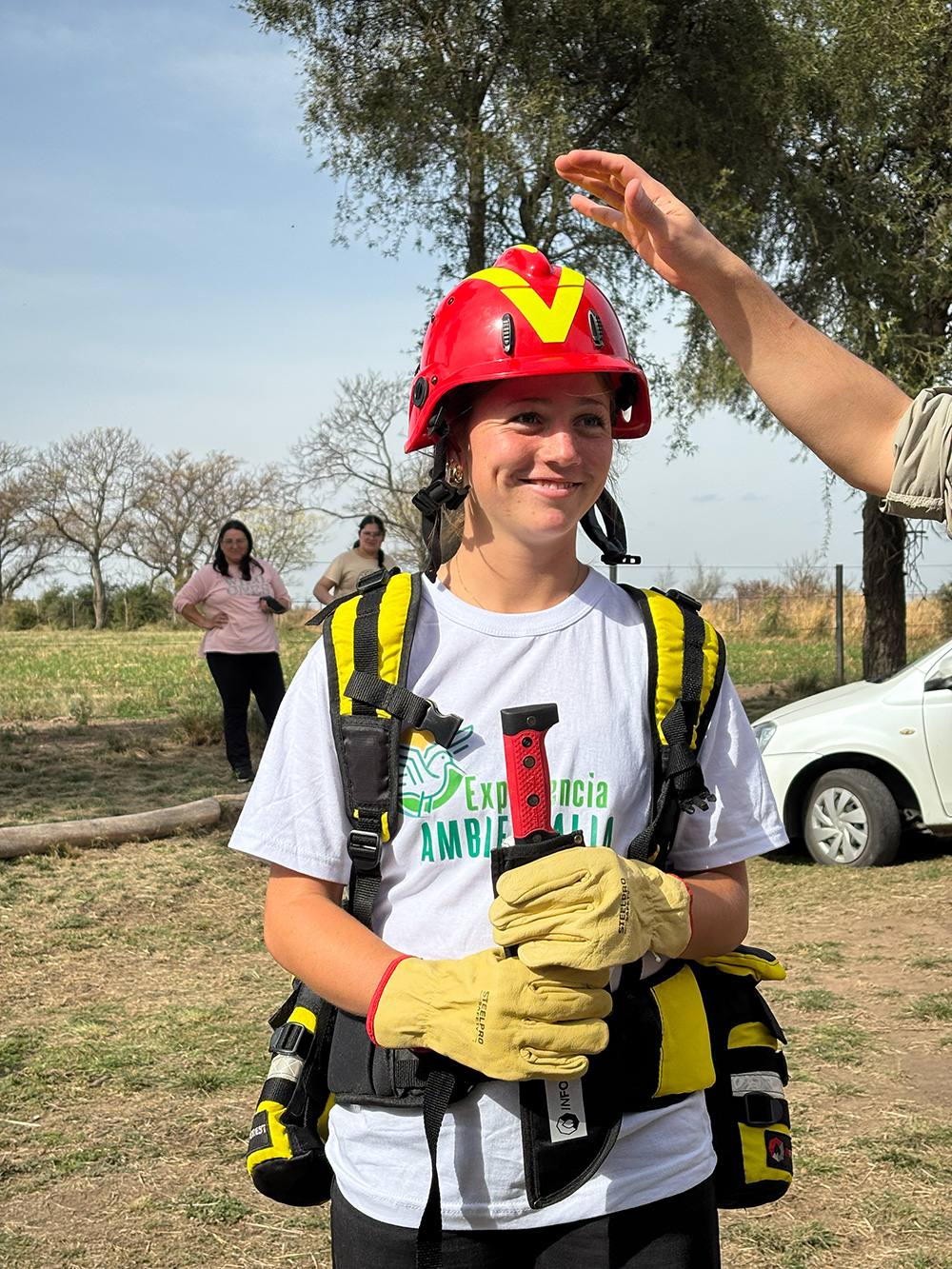
On the last day, we went to the national park and learned about leaving no trace and how to be safe while hiking. We went on a short walk, which was considered a hike there, to an overlook point on the lake, and met with firefighters who showed us their water system and how they protect the area from fire. From there we went to a restaurant/bocce ball area and had steak and empanadas for lunch. Then we visited a town called Brinkman, where we went to a couple museums and to the mayor’s office.
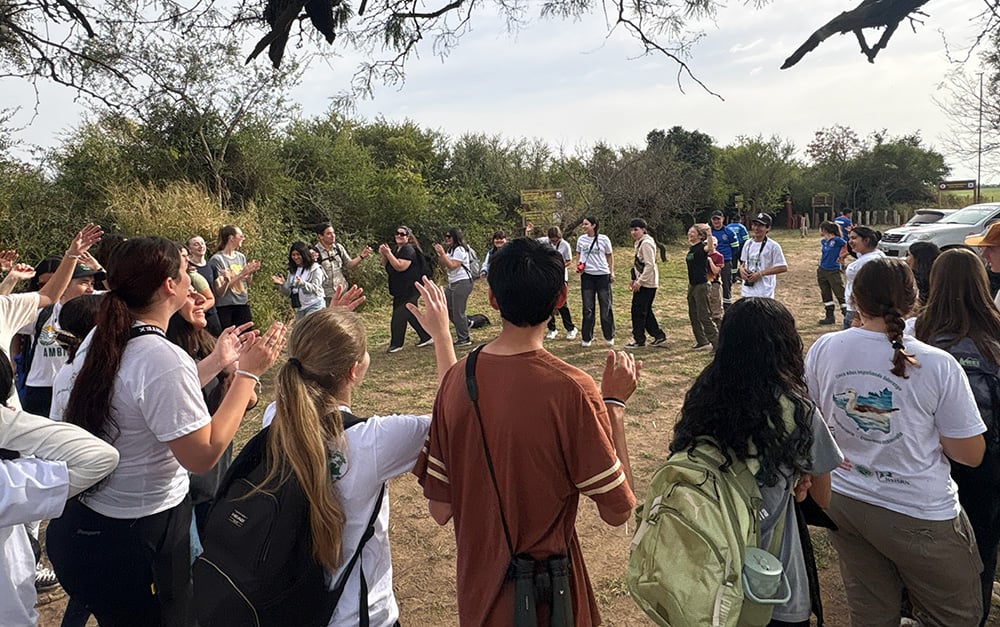
During all the bus rides, I made connections with the Argentinian students by having conversations over Google Translate. We talked about hobbies like sports, our families, and most of all, a few of the boys were fascinated by the mountains and skiing that we have here in California. I loved getting to talk about skiing, something I’m very passionate about, and have them be so interested, even if we were talking through a translated conversation. I felt like I had made such a great connection with so many people there and am grateful that we can stay connected over WhatsApp and Instagram.
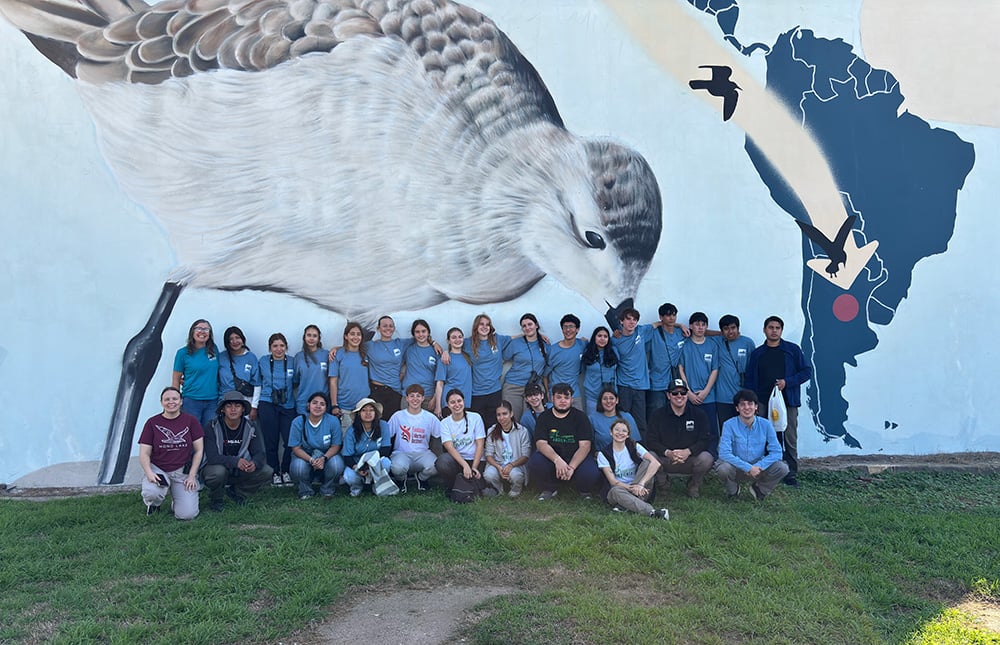
The last night of our trip was the hardest. We all shared our favorite parts of the week, including what we learned and what the experience meant to us, which made everyone really emotional and the goodbye even harder. I had made so many friends throughout the short week that I was there, and I couldn’t believe it was already over. The next morning, we all said our bittersweet goodbyes and started our 30-hour travel home.
I am so grateful that I had the opportunity to be a part of Experience Ambientalia and I will cherish the memories I made and people that I met while I was there. This year I’m a junior at Mammoth High School. My trip to Argentina furthered my interest in natural resource management as a career and I’m excited to be enrolled in forestry classes at the local community college.
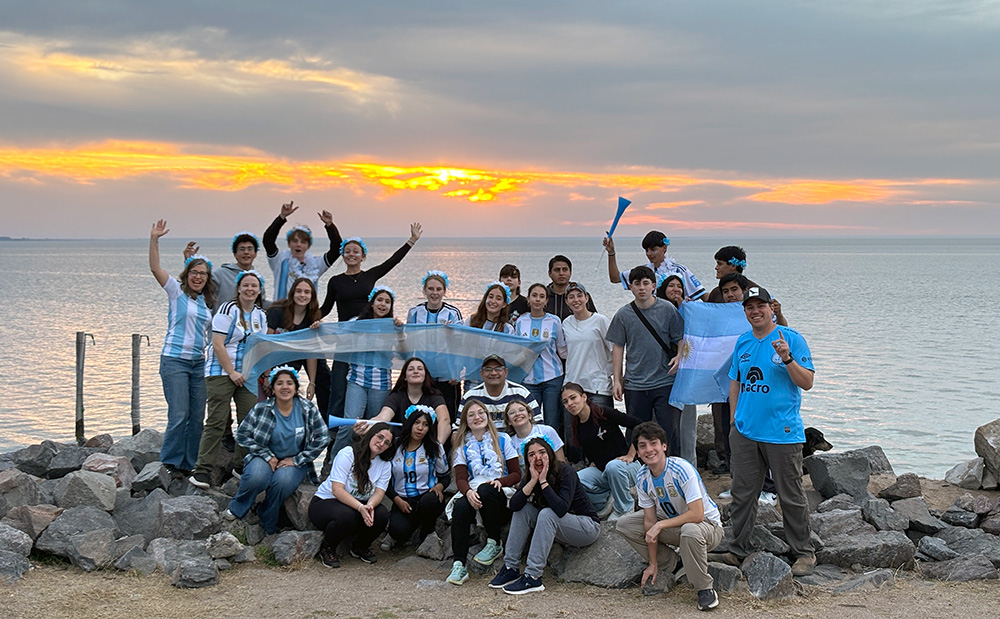
About the Experience Ambientalia program
Experience Ambientalia is a community group that connects young people to their home ecosystems, introduces them to sister saline lakes across the Western Hemisphere, and encourages environmental stewardship. It was launched in 2021 by Fundación Líderes de Ansenuza and the Western Hemispheric Shorebird Reserve Network at Laguna Mar Chiquita in the Cordoba Province of Argentina. The program came to Mono Lake in 2022 because Laguna Mar Chiquita and Mono Lake are sister lakes that provide critical habitats for Wilson’s Phalaropes, a migratory shorebird that is at risk due to the declining health of saline lakes worldwide.
Top photo courtesy of Fundación Líderes de Ansenuza.