
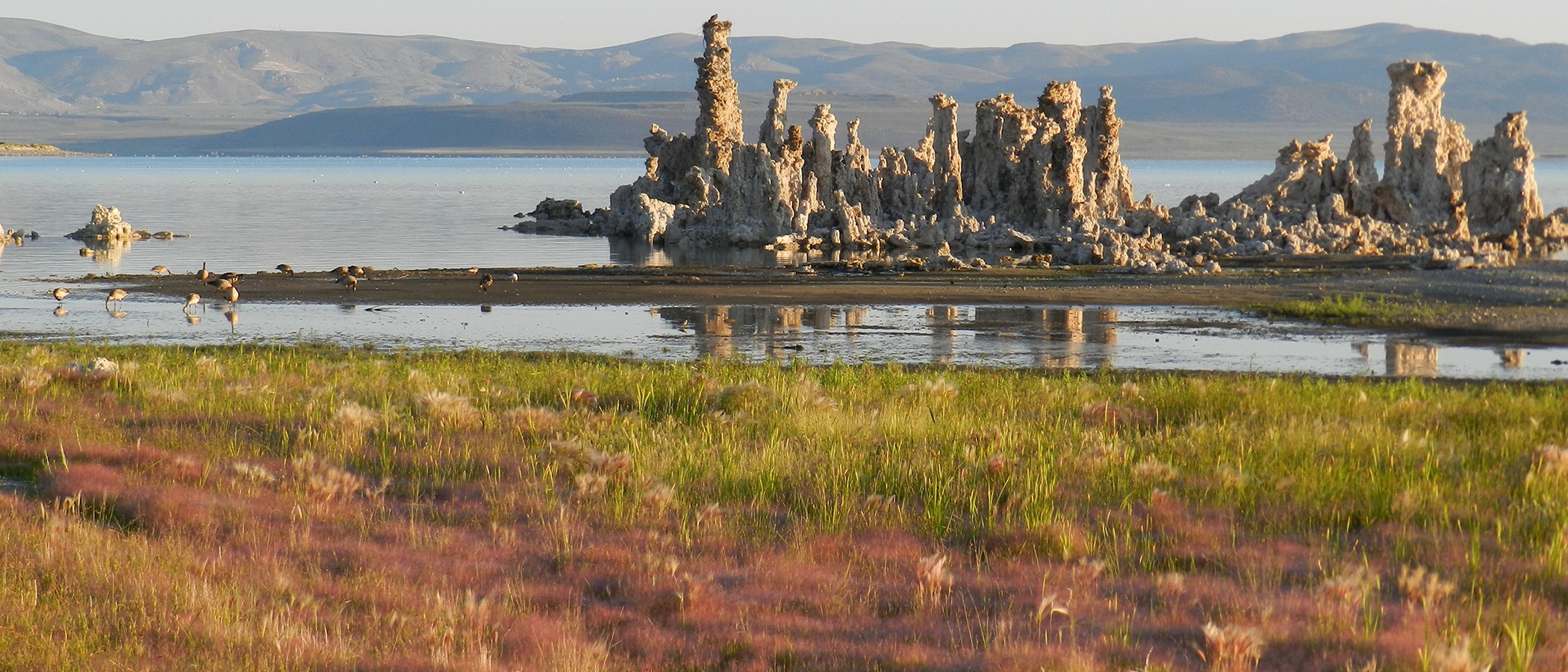
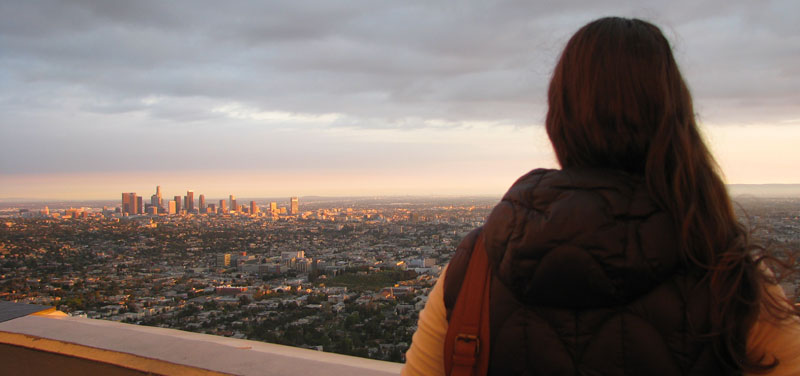
Does water conservation help reduce greenhouse gas emissions? Authors Paul Bunje and Jonathan Parfrey argue yes in a recent article in the Daily News. A new, neighborhood-level study forecasting temperature change in Los Angeles brings the future close to home for residents and underscores how wise resource management is critical. Check it out here:
Daily News: Paul Bunje and Jonathan Parfrey: The region’s future is hot, so let’s act
Doing climate studies of many areas in the western states and Hawaii, I do not believe the article saying that the LA area will be warming. The article is written by fellows who use models to forecast and we know how unreliable they area. Just look at the simple 5 day forecasts. Models are always changed. Back in 1979 we were told of the heating fears but they did not materialize, so now they have been changed again. For Los Angeles the last 3 years have been below normal. This July the average temperature is running 2.7 degrees below normal and so far is the coldest July since 1965. June was 2.5 degrees below normal. The warmest year was back in 1981 and 1983, over 29 years ago. When the instruments were moved to the USC campus in July, 1999, the temperatures plummeted as the big city heat shield was left behind. One just has to do a graph since 1877 to see that the average temperature is not increasing since the move. LAX temperatures shows no warming trend with records since 1948 and their warmest year was 1959 with the last 3 years below normal. At my station in Glendale, just north of LA I have records since 1954. The warmest year was 1962 and here again the last 3 years have been below normal. With this study coming out and making statements like that with no real facts, just guessing, is very alarming.
Bob, I have to agree with you that the Daily News’ characterization of “high-resolution, precise forecasts” is probably overstated. All models are wrong–some are just more useful than others. This model appears to be useful. But I think the point of the article that is important to understand is that it takes a tremendous amount of energy to pump water to Southern California in the California and Colorado River Aqueducts, and then treat it to drinking standards, and then treat the effluent to environmentally-safe standards. Using water uses energy, and saving water saves energy and reduces harmful carbon emissions.
Hi Greg; I notice you did not mention the LA Aqueduct. True, bringing water via the California and Colorado Aqueducts does use alot of power for pumping. But the LA Aqueduct generates clean power both in the Owens Gorge and below Bouquet Reservoir. None is used as the aqueduct is all gravity flow. The more water that is taken out to supply Owens and Mono Lakes the less clean power can be generated and more ‘dirty’ power is needed to pump the other aqueducts for LA.
PS Greg, are you no longer going to post the weather from the Committees weather station?
Hi Bob,
You are correct–LA Aqueduct water not only supplies power, but higher quality water than the other aqueducts. That is no less reason to protect the Eastern Sierra from excessive water diversions–in fact, because the water is far more valuable, it means we have to work even harder to protect Mono Lake and maximize water conservation and water recycling in Los Angeles so as not to transfer problems to other areas. The water lost from the Mono Basin has been more than replaced with water conservation and water recycling. See https://www.monolake.org/mlc/altwater for details.
Regarding the monthly weather data, we have a new setup that no longer reliably supports our former method of generating the data summaries. We have to evaluate our options for how to proceed.