The 24th annual Mono Basin Bird Chautauqua will take place June 17–20, 2027.
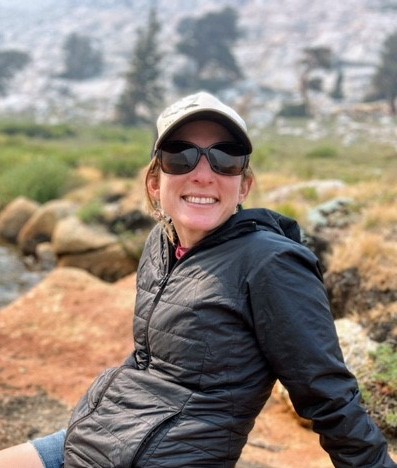
Dannique Aalbu
Dannique first fell in love with the Eastern Sierra during her time working in Yosemite National Park. As an environmental scientist, she is passionate about supporting science and promoting healthy and resilient ecosystems for future generations. She believes bird walks can change lives and make the world a better place. She was recently elected by the board as the new president of the Eastern Sierra Bird Alliance, and is looking forward to guiding its growth and development and expanding its impact in the Eastern Sierra and beyond. She lives in Bishop with her husband and daughter.
Programs leading:
• 328 – Birding Lundy Canyon (Saturday afternoon)
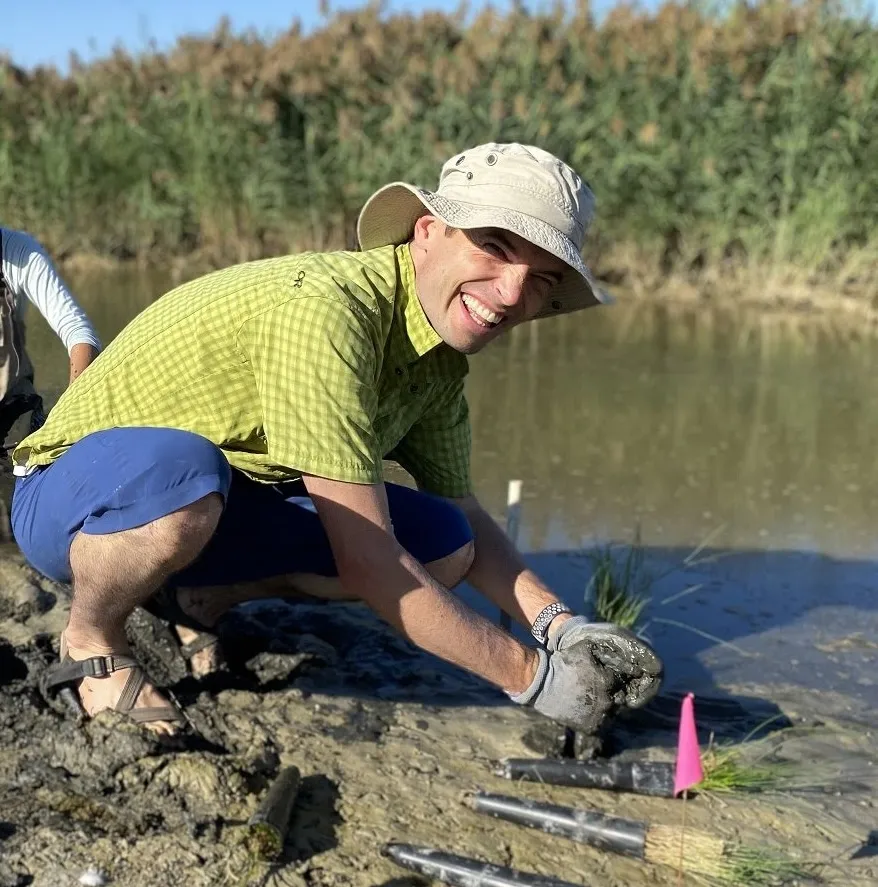
Ben Abbott
Dr. Ben Abbott is a global ecologist at Brigham Young University and the executive director of Grow the Flow. He has worked on global water security projects around the world and has developed expert assessment methodologies for basic and applied research. He has led major expert assessment studies on air pollution impacts, permafrost degradation, global wildfire, and water policy.
Programs leading:
• 220 – Saline Lake Ecology (Friday morning)
• 321 – Saline Lake Ecology (Saturday morning)
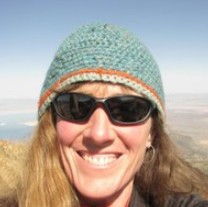
Karen Amstutz
Karen Amstutz lives on the edge of Yosemite National Park with her husband, where they fledged their three daughters. Like many mountain creatures, Karen undertakes a seasonal migration upslope to Tuolumne Meadows where she works each summer as a Ranger-Naturalist and bird surveyor. She has been fortunate to have worked as a naturalist in beautiful places for most of 40 years. With her binoculars always around her neck, Karen has traveled extensively in Asia and the Americas. With the amazing fortune of growing up in the Sierran subalpine zone, Karen lives to share this heart place with people.
Programs leading:
• 214 – Birding Tuolumne Meadows (Friday morning)
• 308 – Birding Bennettville (Saturday morning)
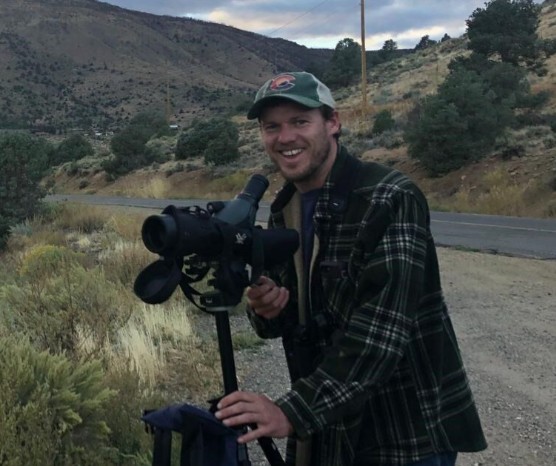
Ned Bohman
Ned Bohman has been studying birds in the Great Basin since 2015. He currently works as the Outreach & Education Coordinator for Great Basin Bird Observatory and serves as the Secretary of the Nevada Bird Records Committee. In addition to extensive land bird surveys throughout Nevada and the surrounding Great Basin, Ned is currently coordinating a Pinyon Jay community science project with volunteers in many Western states.
Programs leading:
• 233 – *Pinyon Jays: The power of community science presentation with Kayla Henry (Friday evening)
• 320 – Pinyon Jay community science in the Bodie foothills with Kayla Henry (Saturday morning)
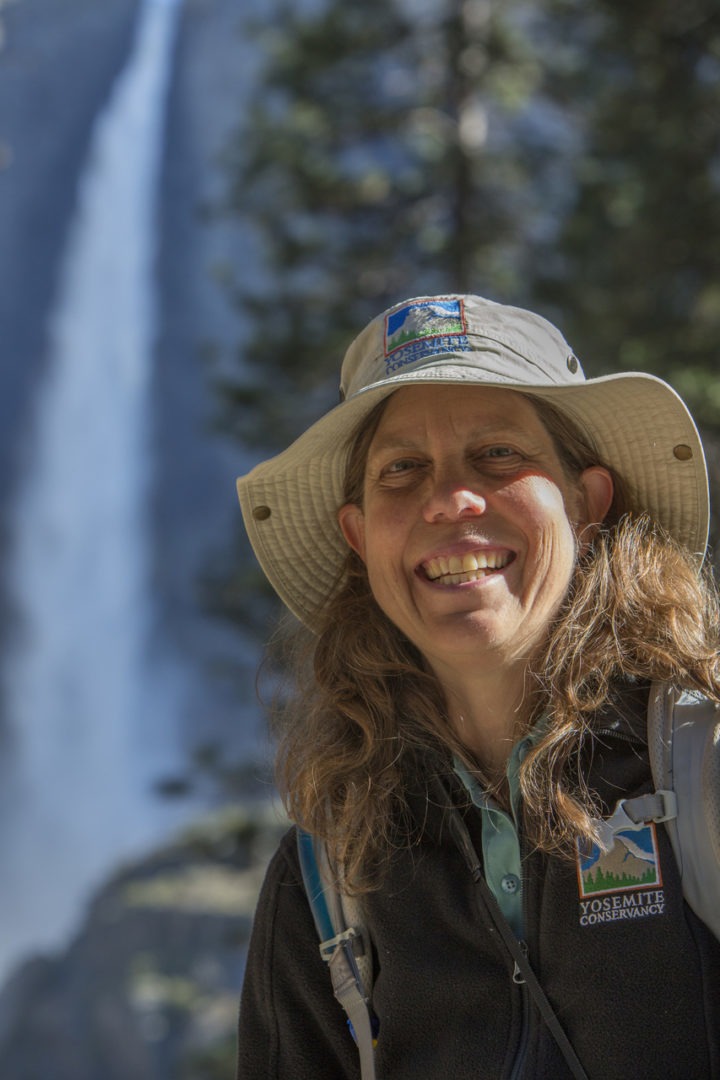
Andrea Canapary
Andrea Canapary has lived in Yosemite National Park since 1996 and has been employed with the Yosemite Conservancy as a Naturalist Guide since 2015. Through this role, she has developed her birding skills and leads bird walks regularly in Yosemite. She also teaches weekend seminars focused on learning about birds, plants, amphibians, bighorn sheep, geology, and more. Andrea is excited to look and listen for birds in Yosemite while also helping to deepen your understanding of the ecosystem as a whole.
Programs leading:
• 304 – Bird ecology in Yosemite’s High Country (Saturday morning)
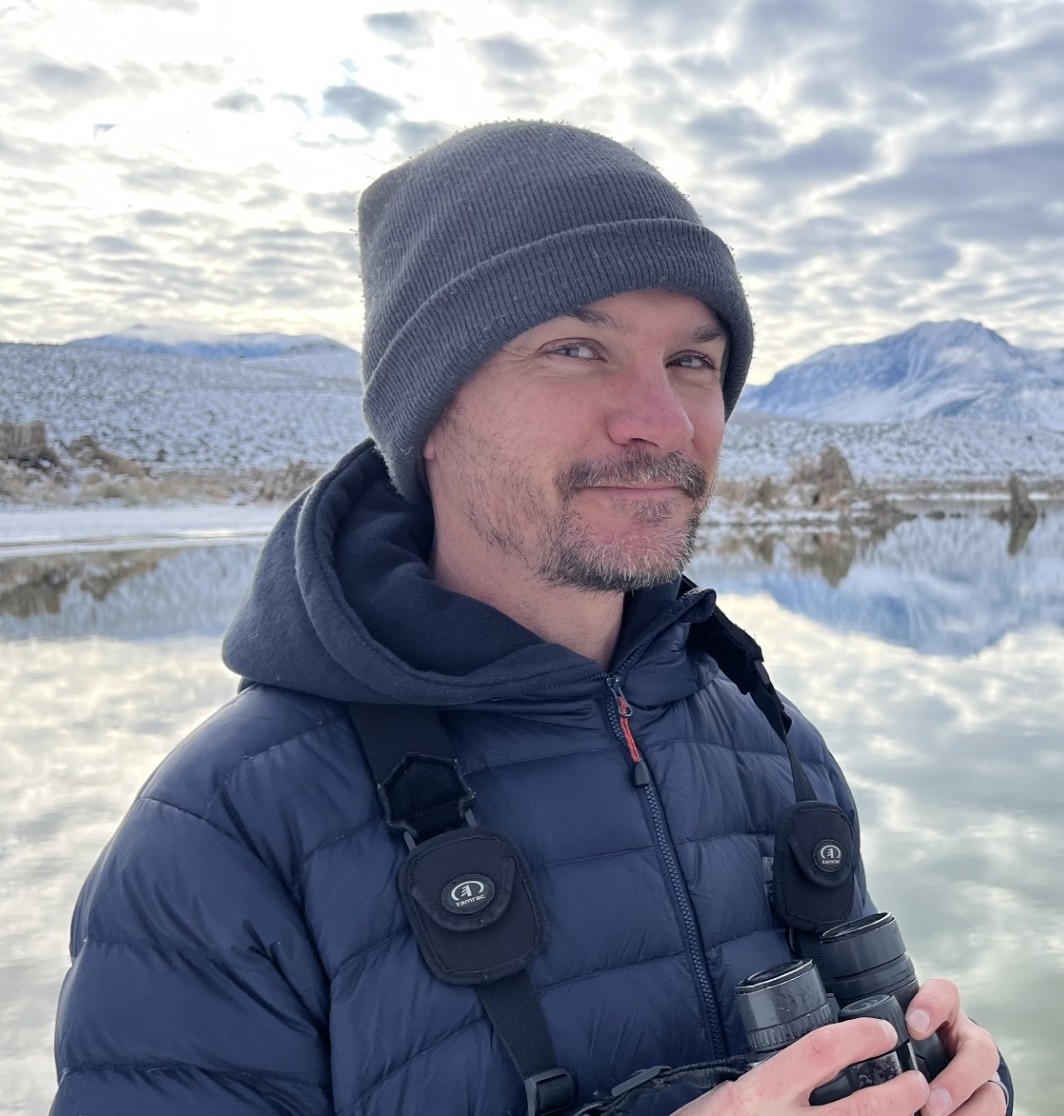
Ryan Carle
Ryan Carle is the Science Director at the conservation non-profit Oikonos Ecosystem Knowledge. Ryan has worked on the conservation and research of many species of seabirds and shorebirds, from Chile to Washington State. The project closest to his heart is working on phalaropes at Mono Lake, where he was born and raised. Since 2019, Ryan has led efforts to bring phalaropes to the forefront of the hemisphere-wide conversation about saline lake conservation. Ryan is working on research on phalarope populations and movements at saline lakes and was the lead writer of the recent proposal to list Wilson’s Phalaropes under the U.S. Endangered Species Act.
Programs leading:
• 336 – Flights, Camera, Action! Short Films on Shorebirds (Saturday evening)
• 413 – Flights, Camera, Action! Field Trip (Sunday morning)
Genna Chiaro
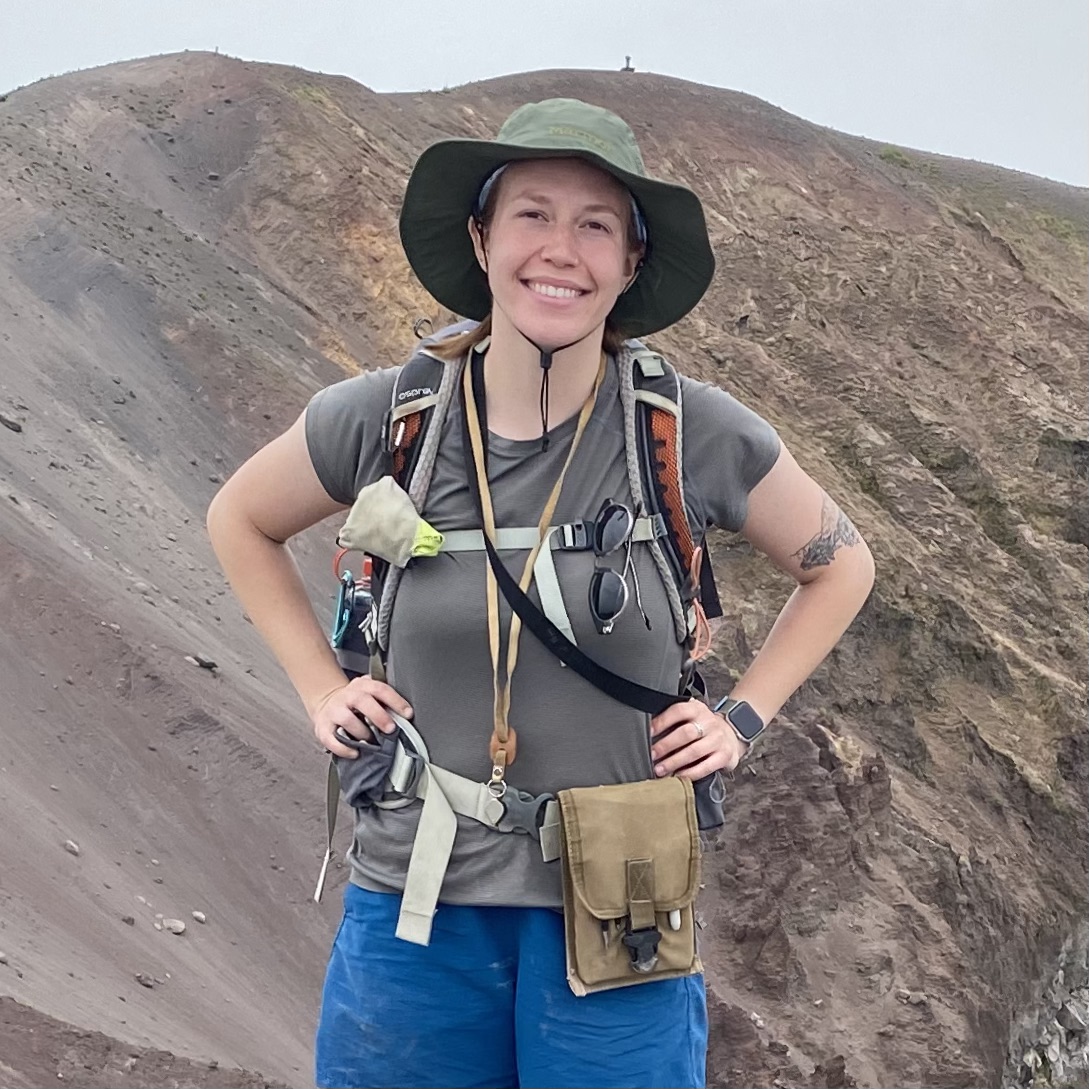
Genna Chiaro is a geologist with the California Volcano Observatory, part of the U.S. Geological Survey. Her research focuses on the timing, evolution, and hazards of rhyolitic volcanic systems, with an emphasis on the Mono Craters in Eastern California. She loves sharing her enthusiasm for rocks and the outdoors and helping people read the geologic history written in the landscape.
Programs leading:
• 213 – Exploring Panum Crater: Guided Hike with a Volcanologist (Friday morning)
Mary Clapp
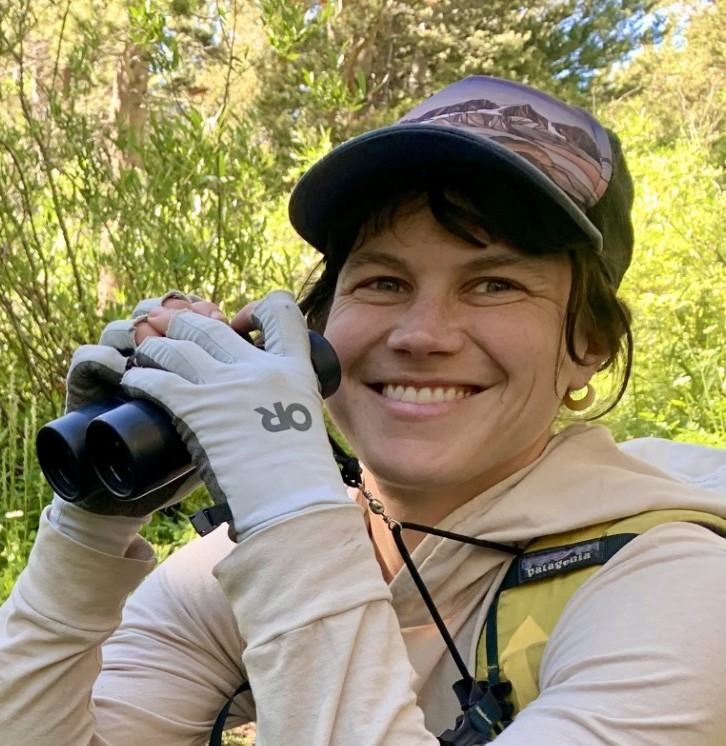
Mary Clapp is an East Coast vagrant who, in 2010, found herself blown across the country to the Eastern Sierra, and decided to stay. In 2021, she received her PhD in Ecology from UC-Davis, where she studied how trout introductions to historically fishless alpine lakes alter bird diversity at their shorelines. She is now an Avian Acoustic Ecologist at The Institute for Bird Populations. She prefers the edge habitat where science, storytelling, and awe meet, and looks forward to seeing you there.
Programs leading:
• 210 – Exploring the DeChambeau Ponds Restoration (Friday morning)
• 422 – Big Sit (Sunday morning)
Emm Clark
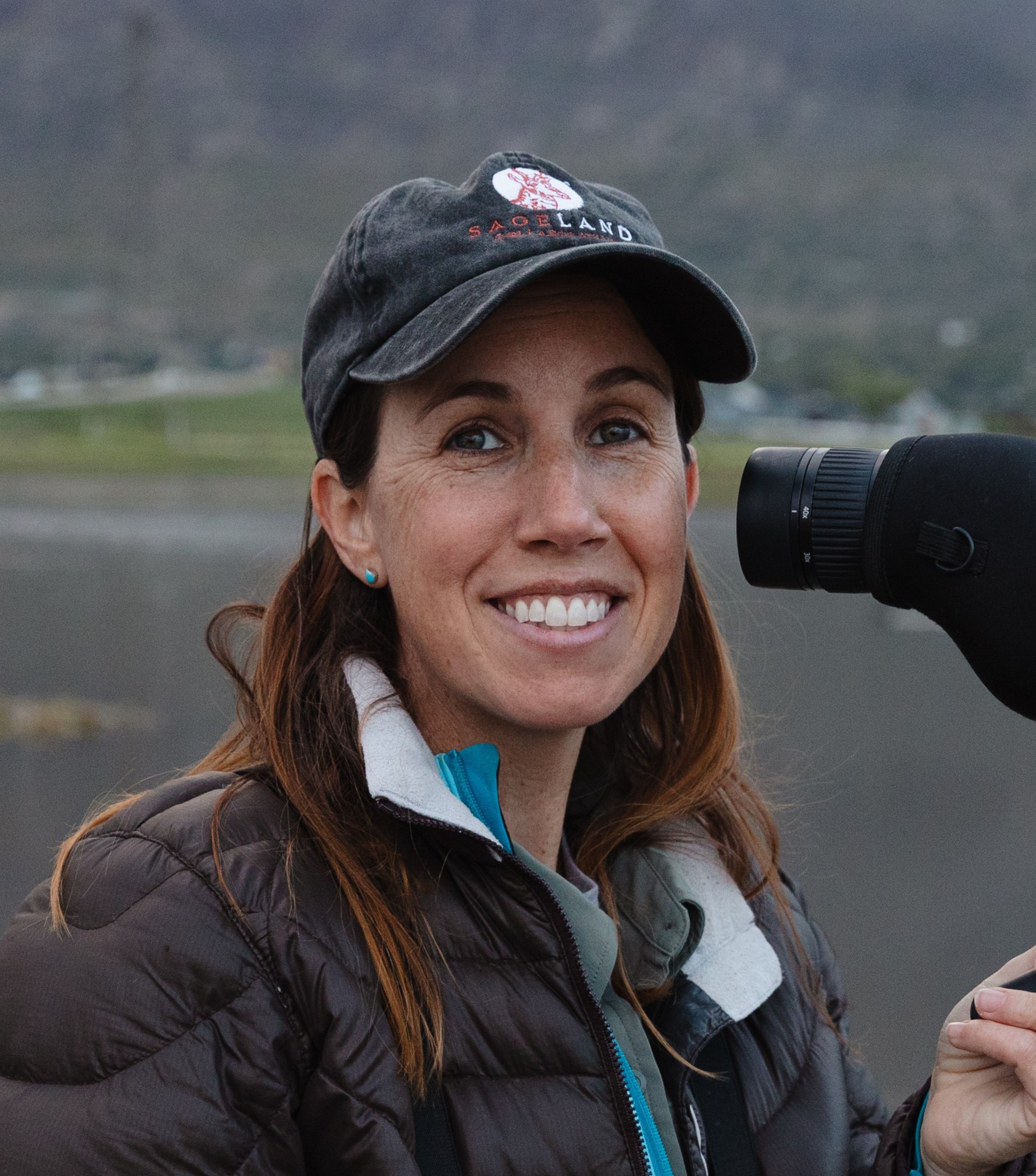
Emily (Emm) Clark is an Avian Ecologist with Sageland Collaborative, a Salt Lake City-based NGO that provides science-based strategies for wildlife and land conservation. Emm leads the implementation of the Intermountain West Shorebird Survey across Utah, a regional effort to document changes in shorebird abundance and distribution over time. Her work is centered around Utah’s Great Salt Lake, a crucial breeding and stopover site for shorebirds that faces severe ecological risks from water diversions and high salinity. Emm is also a Coordinator for the International Phalarope Working Group, a collaborative coalition of scientists, NGOs, and agencies from across the Western Hemisphere formed to research and conserve phalaropes and their threatened saline lake habitats. She is deeply dedicated to the conservation of Great Salt Lake and the many species that rely on its ongoing health.
Programs leading:
• 336 – *Flights, Camera, Action! Short Films on Shorebirds (Saturday evening)
• 413 – *Flights, Camera, Action! Field Trip (Sunday morning)
Gerogie Corkery
Georgie Corkery, an ecologist, is the Coordinator of Great Salt Lake Institute where she does collaborative research on Great Salt Lake and other saline lakes. Her current focus is understanding brine fly population dynamics and mentoring undergraduate research students. She also serves as Board President of Great Salt Lake Audubon, an organization that focuses on education and conservation of birds and bird habitat. She earned a BA in Environmental & Sustainability Studies and a BS in Urban Ecology at the University of Utah and an MS in Ecology at Utah State University. Georgie’s research and career interests are socio-ecological dynamics of saline lake ecosystems and applied conservation and restoration science. Her work also focuses on science communication, community-engaged research, and improving accessibility outdoors.
Programs leading:
• 317 – *Flies on the Flyway (Saturday morning)
•331 – *From Tufa to Microbialites: Adapting Alkali Fly Research Methods from Mono Lake to Great Salt Lake (Saturday afternoon)
Annie Crowley
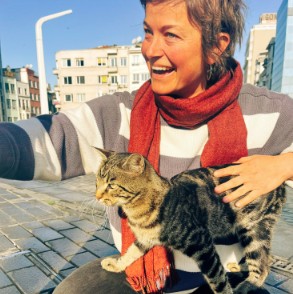
Annie grew up roaming the hillsides and seashores of Northern California. She graduated from UC Santa Cruz with a degree in environmental studies, where she was immersed in the natural world both in and out of the classroom. She moved full-time to the Sierra in 2014, migrating seasonally across the range while working for the National Park Service. She has worked as an interpretive guide, park ranger, and in community engagement. She is thrilled to support ESLT’s mission in land conservation in the Eastern Sierra. Outside of work, she enjoys climbing, gardening, making pottery, observing the natural world, and meeting cats around the world.
Programs leading:
• 208 – Oasis in the desert: Black Lake Preserve (Friday morning)
Al DeMartini
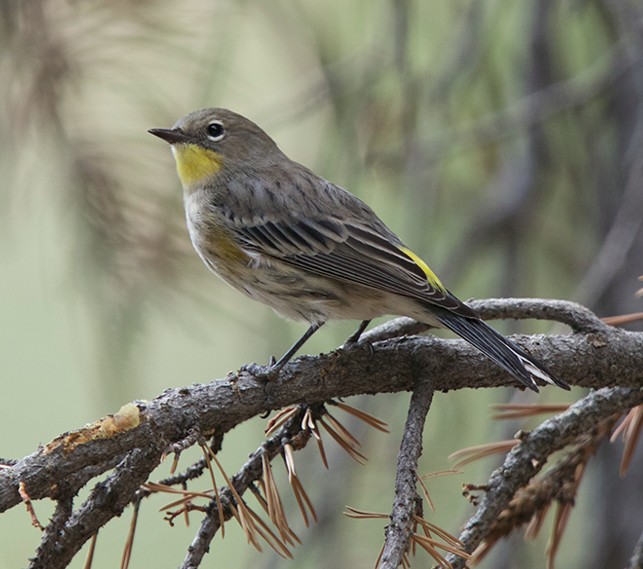
Al DeMartini has been a nature lover since early childhood and was bit hard by the birding bug over 35 years ago. Al worked seasonally in Alaska doing mostly Fish & Game remote field work, then later in California deserts with desert tortoise for a ‘career’ that allowed for much travel on the cheap and plenty of nature study. Al actively birds all 58 counties in California, with a special attraction to the east side of the Sierra and the remote northern Mojave Desert spots. Al is known to play with words and ray guns. He is an active Audubon CBC compiler (multiple counts) and participant (nearly 100 counts in California over the years) with a more recent dive into butterflies & NABA counts.
Programs leading:
• 307 – Birding the Bridgeport Valley with Keith Hansen (Saturday morning)
Robbie Di Paolo
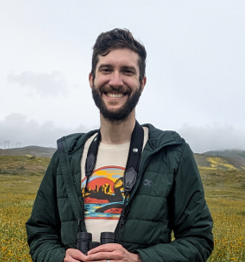
Robbie grew up in San Francisco and received a degree in Environmental Science from Humboldt State University. He first heard about Mono Lake in an environmental policy class in the context of the Public Trust Doctrine. This inspired him to become a Mono Lake Intern in the summer of 2014 and has been with the Committee ever since, now serving as the Restoration Project Manager. He works on a variety of monitoring and research programs, including monitoring Mono Lake’s tributary streams, measuring the level of Mono Lake, and coordinating annual aerial Eared Grebe surveys.
Programs leading:
• 210 – Exploring the DeChambeau Ponds Restoration (Friday morning)
Jon Dunn
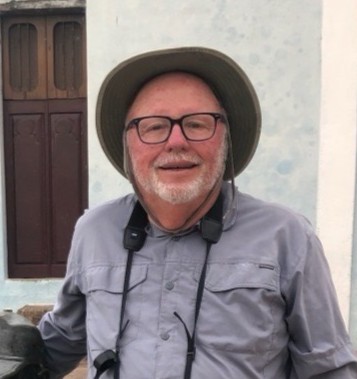
Jon Dunn has led tours for WINGS since 1977 and has authored or co-authored numerous articles on the identification and distribution of birds. He co-authored Birds of Southern California, Status and Distribution, Warblers, Birding Essentials, and the first seven editions of National Geographic’s Field Guide to the Birds of North America. For over 30 years, Jon has served on the AOS Cjon ommittee on Taxonomy and Nomenclature and is a past Board member and president for Western Field Ornithologists. Jon lives in Rovana, near Bishop. In addition to birds he considers history his hobby and loves the music and poetry of Leonard Cohen.
Programs leading:
• 232 – Twilight Birding at DeChambeau Ponds and Ranch (Friday afternoon)
• 314 – Birding the June Lake Loop (Saturday morning)
• 401 – Crowley Lake: Marshes, Migrants & Mud (Sunday morning)
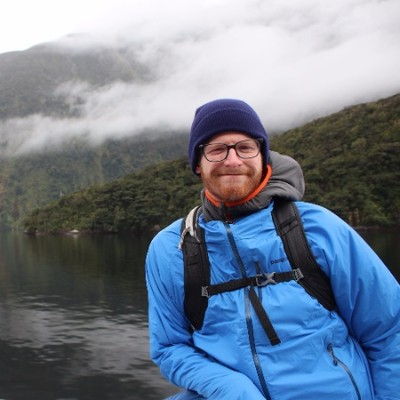
Forrest English
Forrest is a biologist based in Bishop engaged primarily in bird survey work for science non profits, and consulting companies. Prospective employers are frequently confused that yes, he spends the majority of his time off birding as well.
Programs leading:
• 207 – Breeding Bird Survey: Owens River Road (Friday morning)
• 402 – Rare Bird Chase: Could be Anywhere! (Sunday morning)
Forrest English
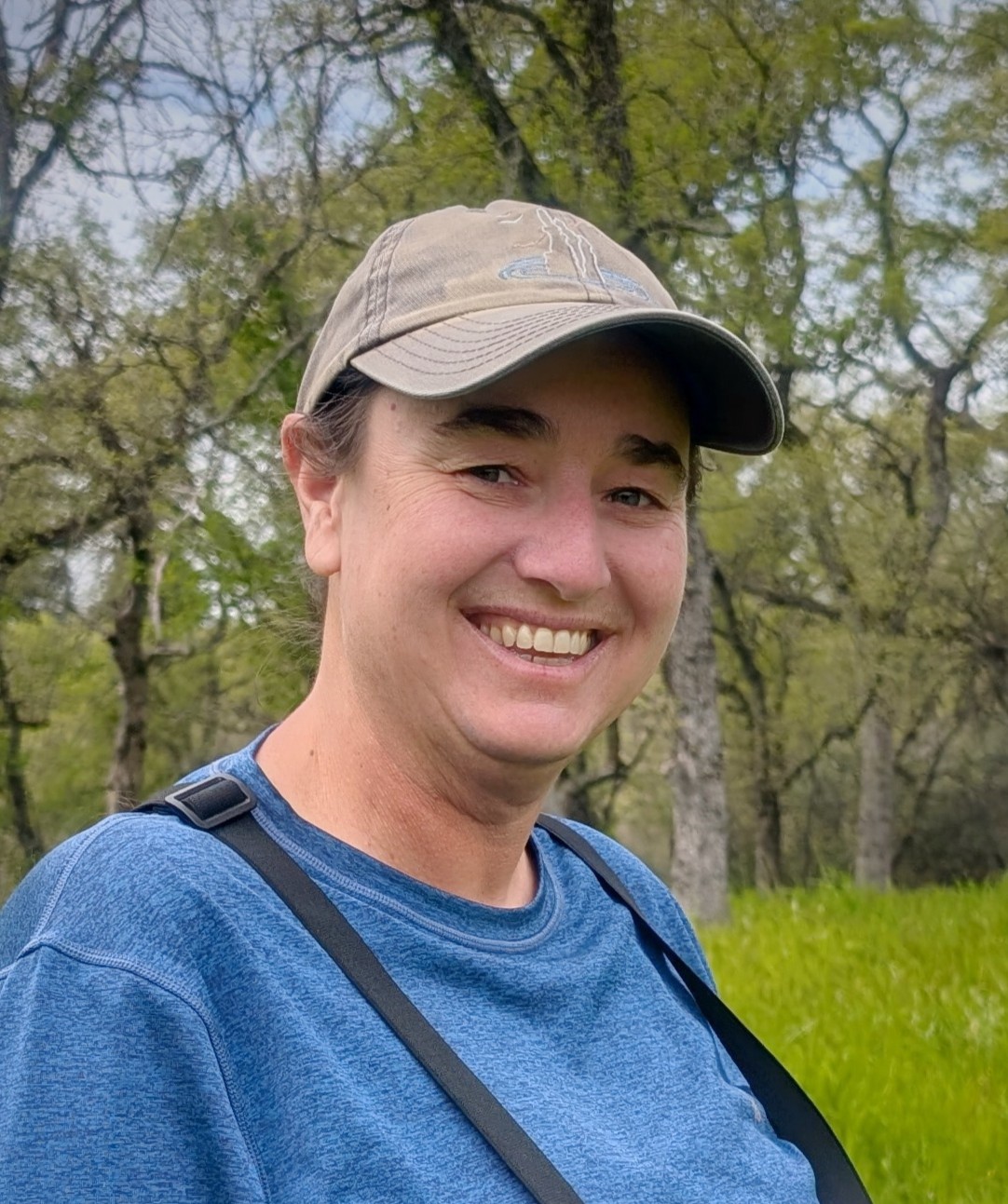
Getting people outside, connecting them with nature, and therefore encouraging them to care about it has been a cornerstone of Brice’s career. He has dual degrees in Psychology and Communications that have helped build educational and marketing messages that inspire all around the globe. Brice has racked up over 2,400 nights camping outdoors and is eager to share the Walker Basin’s unique ecosystems with others.
Programs leading:
• 204 – Walker Basin Birding Field Trip (Friday morning)
• 417 – *Connecting People and Landscapes: The Intersection of Tourism and Conservation presentation (Sunday morning)
Lisa Fields
Lisa Fields worked for California State Parks for over 20 years, including 11 years in Sierra Nevada. She initiated the Osprey nest monitoring program at Mono Lake in 2004 and has continued to be involved as a volunteer since her career took her elsewhere. Lisa’s passion is public lands management, with a special place in her heart for raptors, particularly the Osprey at Mono Lake. She currently works for the California Department of Fish & Wildlife, supervising the Planning, Assessment, and Inventory Unit within the Wildlife Branch’s Lands Program, based out of West Sacramento.
Programs leading:
• 329 – Fields’ Guide to Osprey (Saturday afternoon)
• 423 – Fields’ Guide to Osprey (Sunday morning)
Jora Fogg
Jora Fogg has been living and playing in the Mono Basin for over a decade. One of her favorite places in the Bodie Hills and she has led the Chautauqua tour there since 2015. Working for a variety of conservation organizations across the west in both field science and public policy, she is grateful to call the Eastern Sierra home. Jora enjoys any human powered recreation and can be found skiing, hiking, and cycling in the mountains of the Great Basin and Sierra, usually with her binoculars.
Programs leading:
• 306 – Birds of the Bodie Hills (Saturday morning)
Neal Fox
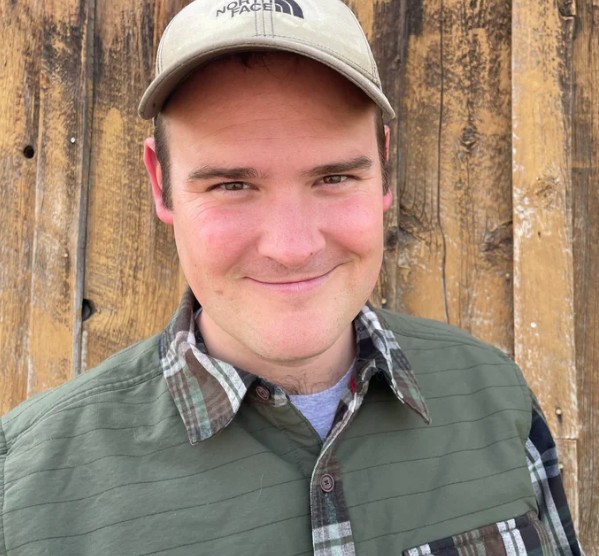
Dr. Neal Fox is the Founder and Executive Director of Sierra STEM, an outdoor education and science enrichment nonprofit based in June Lake, CA. Sierra STEM serves hundreds of kids every year, including students from both local and visiting schools, with a focus on hands-on, experiential learning and environmental education. Before founding Sierra STEM in 2021 when he moved to Mono County, Neal spent a decade as a neuroscientist and teacher in New England and the Bay Area
Programs leading:
• 333 – *Ornithology open: Wingspan game night (Saturday evening)
Pablo Gigy Gregoret
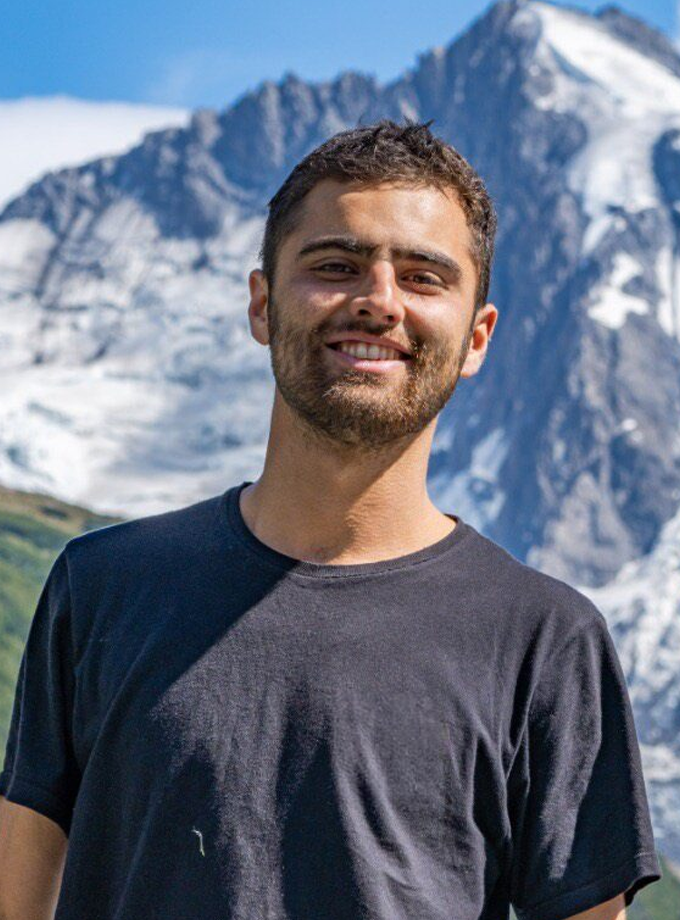
Pablo Gigy Gregoret is from Córdoba, Argentina, and joined Manomet’s Flyways team in 2024 after earning the first place in the 2023 Conservation Academy. This program, run by the Western Hemisphere Shorebird Reserve Network (WHSRN) and the Líderes de Ansenuza Foundation, focuses on leadership in conservation for young people. At Manomet, Pablo specializes in the conservation of saline lakes, particularly in Laguna Mar Chiquita (or Mar de Ansenuza), a key site for migratory bird species like the Wilson’s Phalarope (Phalaropus tricolor).
Programs leading:
• 336 – *Flights, Camera, Action! Short Films on Shorebirds (Saturday evening)
• 413 – *Flights, Camera, Action! Field Trip (Sunday morning)
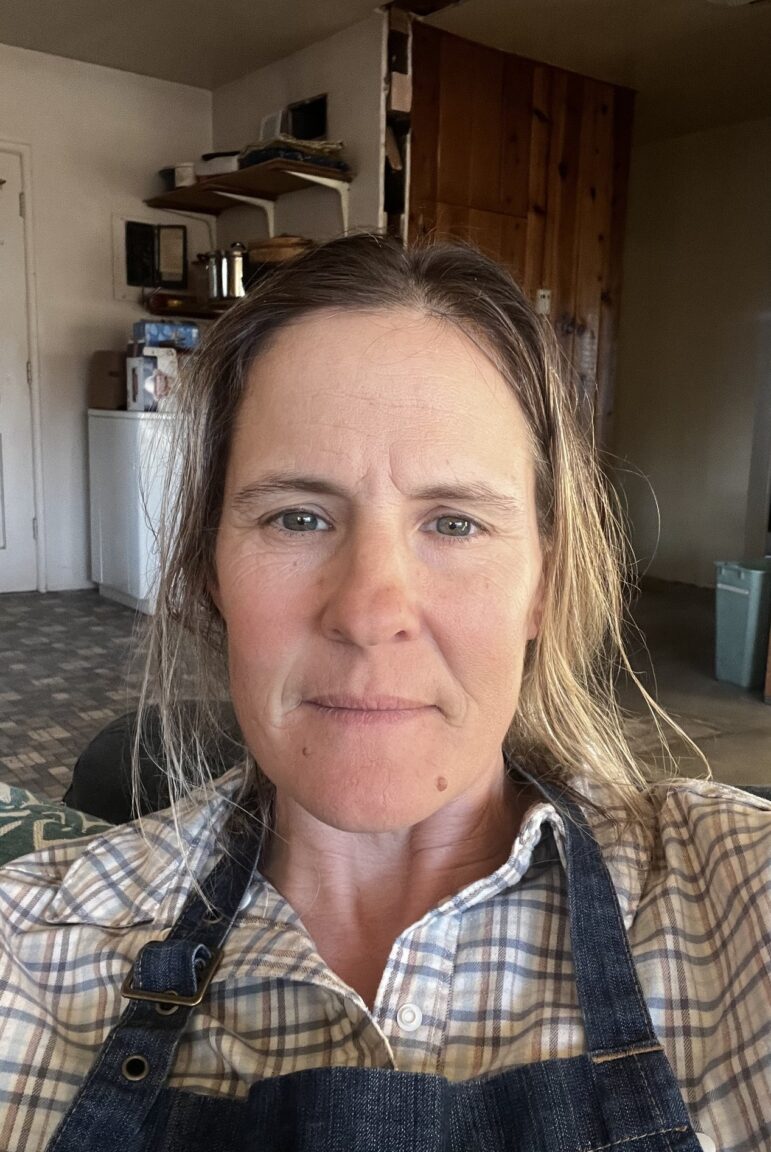
Lacey Greene
Lacey Greene loves deserts and mountains. She is an enthusiastic observer who has spent more than 25 years working locally on species management and conservation. She feels lucky to have worked with yellow-legged frogs, Phainopepla, desert tortoise, pupfish, speckled dace, Willow Flycatcher, pika, and Greater Sage-Grouse. She is currently a board member for the Eastern Sierra Bird Alliance and works for the California Department of Fish & Wildlife’s Sierra Nevada Bighorn Sheep Recovery Program out of Bishop.
Programs leading:
• 212 – The P is silent but the bird is not: White-tailed ptarmigan near Tioga Pass (Friday morning)
• 323 – Birding for Beginners (Saturday morning)
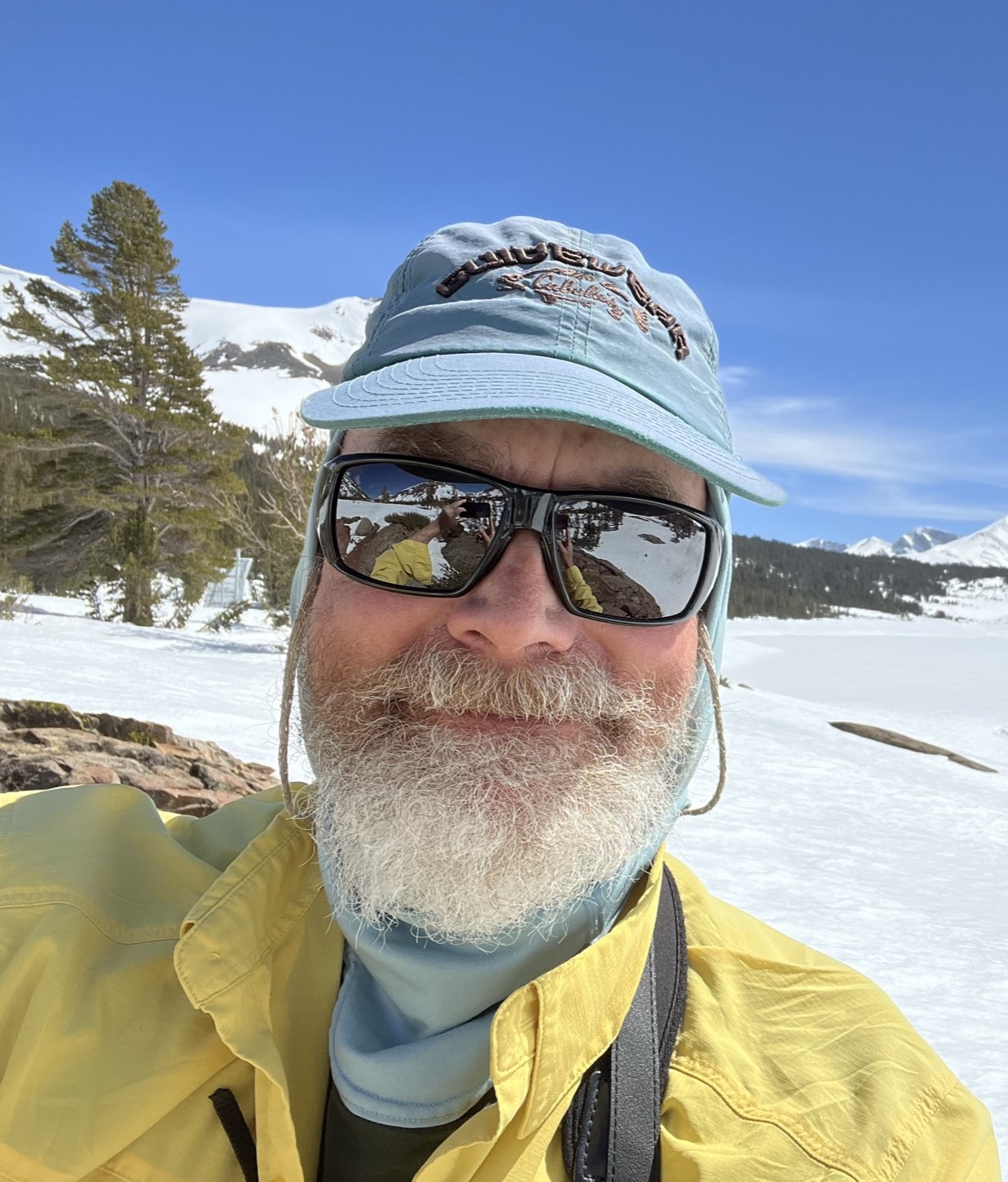
Tom Hahn
Tom Hahn is a field biologist with bachelor’s and master’s degrees in biology from Stanford University and a PhD in Zoology from the University of Washington. He has been studying crossbills, White-crowned Sparrows, and other songbirds in the West since the mid-1980s and has spent hours in the field around Tioga Pass. He enjoys observing animals in their natural habitats, exchanging observations with fellow naturalists, and learning from his students. Tom is currently on the biology faculty at UC Davis, and lives in Davis with his wife Julie and his son Lyle (when he’s home from college).
Programs leading:
• 216 – Mono Basin Brush Birds (Friday morning)
• 403 – Behavior, Physiology, & Natural History of High Sierra Birds (Sunday morning)
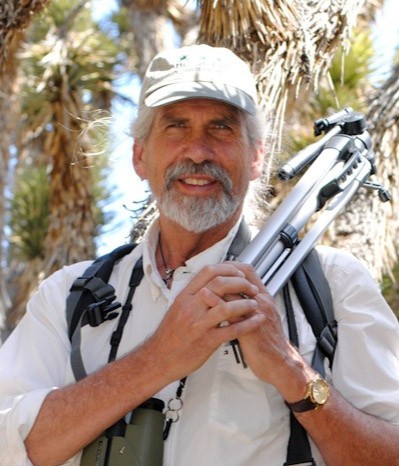
Keith Hansen
Keith Hansen is a wildlife artist who specializes in the imaginative and accurate portrayal of birds. While following his older brother through the woods of Maryland, a single Cedar Waxwing changed his life forever; he began to illustrate birds in 1976. He has illustrated some 13 books, innumerable birding articles, logos, and even a 128-foot-long mural. After over 20 years of painting and writing, Keith released a book called Hansen’s Field Guide to the Birds of the Sierra Nevada in 2021. Keith’s latest book, entitled Birds of Point Reyes, came out in 2023. He is currently illustrating an App. called FLOCK which depicts every species of bird recorded in North America, over 1,000 species.
Programs leading:
• 307 – Birding the Bridgeport Valley with Al DeMartini (Saturday morning)
• 334 – Twilight Birding at DeChambeau Ponds and Ranch (Saturday evening)
• 408 – Birds of the Sierra Nevada (Sunday morning)
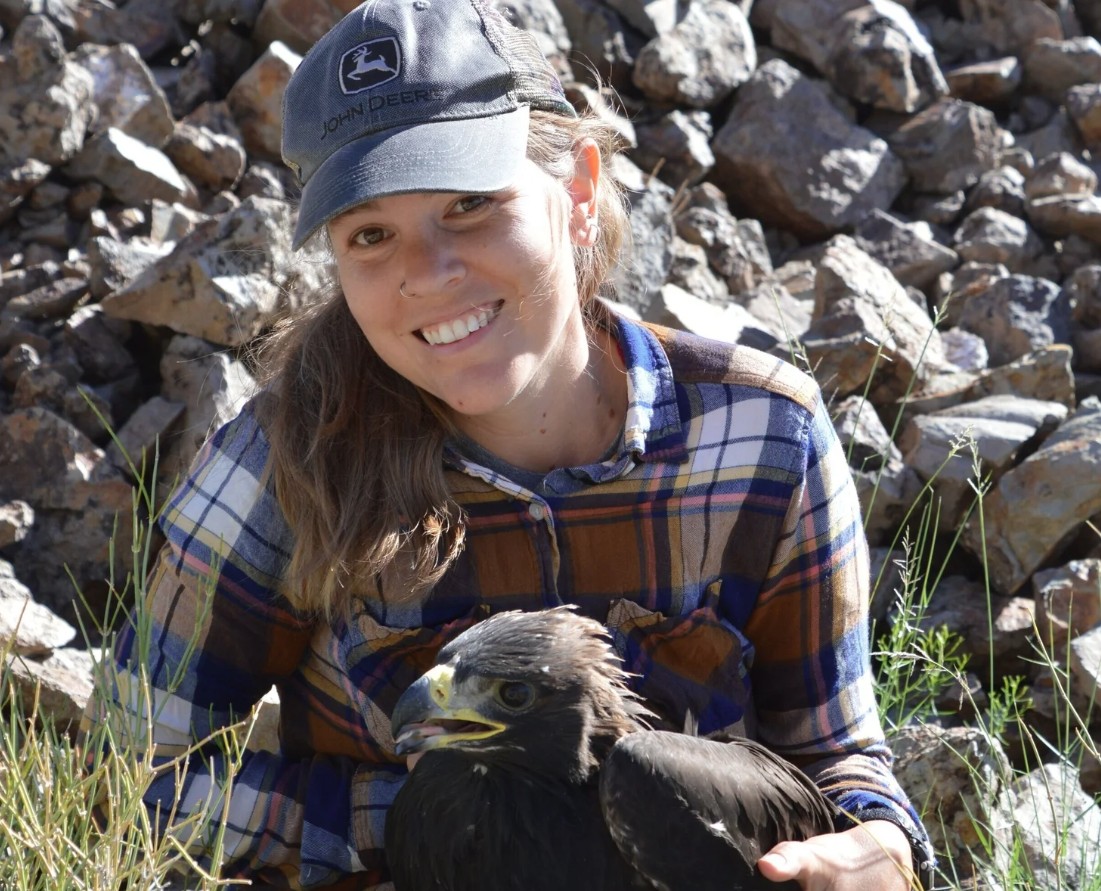
Kayla Henry
Kayla Henry has been with the Great Basin Bird Observatory since 2016 on the Nevada Bird Count and is currently a Project Coordinator for Pinyon Jay monitoring programs and the Crescent Dunes solar energy project. She also assists with coordinating GBBO’s public outreach program, which includes managing social media outlets and planning events. Kayla grew up in California and earned a degree in Environmental Studies from California State University, Sacramento, where she worked on developing avian survey protocols for a local restoration project, focusing on birds as an indicator species to measure the project’s success.
Programs leading:
• 233 – *Pinyon Jays: The power of community science presentation (Friday evening)
• 320 – Pinyon Jay community science in the Bodie foothills (Saturday morning)
Dave Herbst
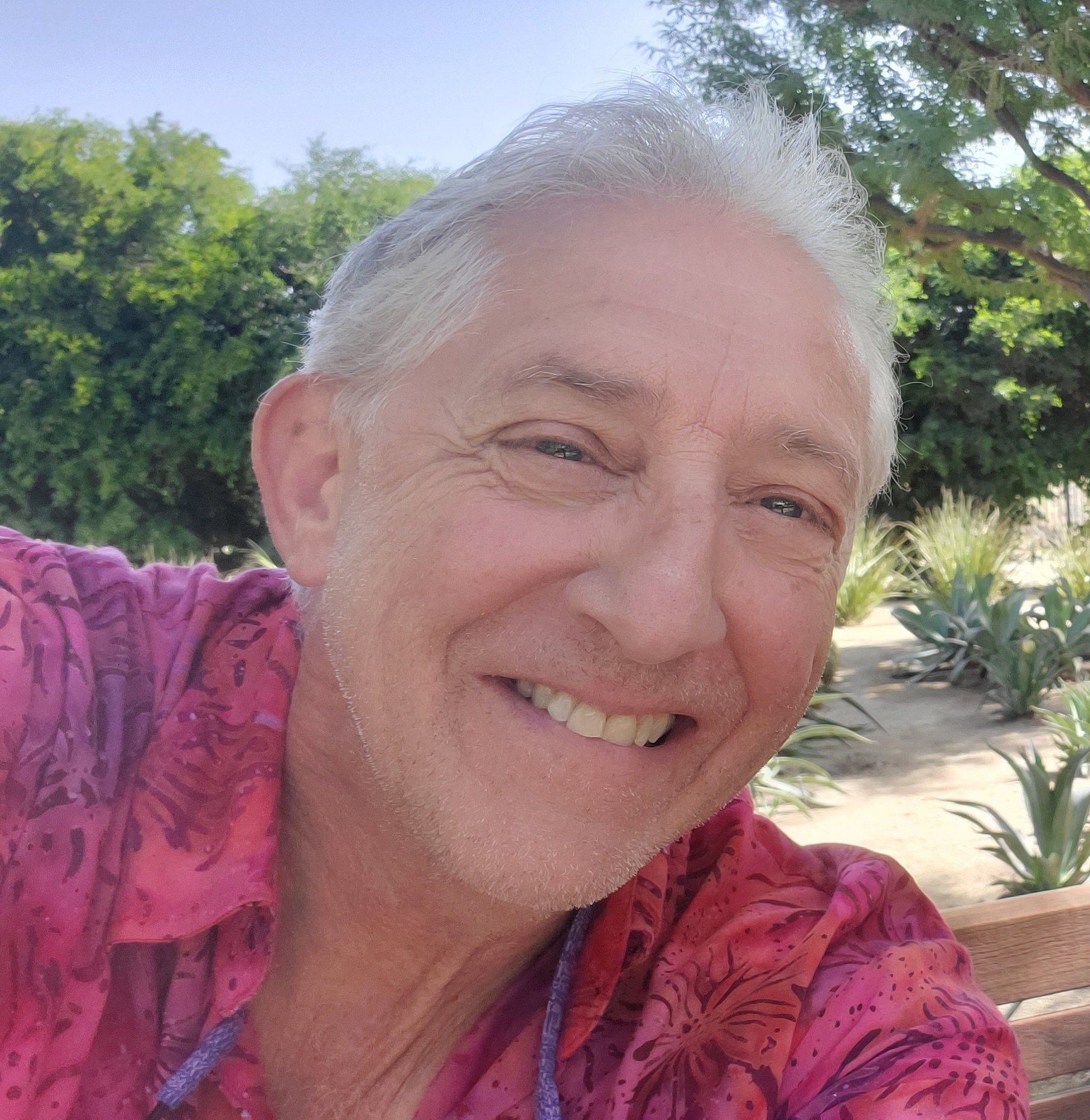
Since the late 1980s I’ve been doing research out of the Sierra Nevada Aquatic Research Laboratory, and as a researcher with both UC Santa Barbara and UC Santa Cruz. I first started scientific research in the eastern Sierra Nevada in 1976 at Mono Lake. These studies began my graduate student research projects at Oregon State University, after which I returned to the Sierra Nevada to continue as a Research Biologist with the University of California at Santa Barbara (with which SNARL is affiliated). Studies of salt lake ecosystems and the ecology and physiology of aquatic invertebrates and algae has been one of the main themes of my research program. Besides work at Mono Lake, other saline lake projects have been done at Owens Lake in California, Abert Lake in Oregon, Great Salt Lake in Utah and Walker Lake in Nevada. In addition to saline lakes, I’ve also studied spring ecosystems in the Great Basin. Along with these desert aquatic environments my main research more recently has been in streams of the Sierra Nevada.
Programs leading:
• 317 – *Flies on the Flyway (Saturday morning)
Sarah Hockensmith
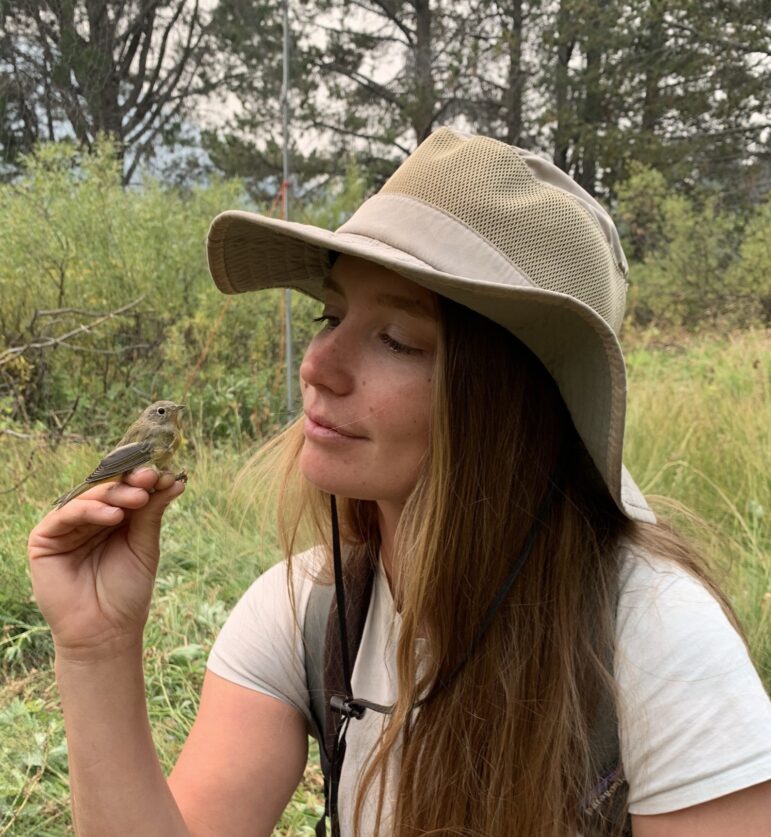
Sarah Hockensmith leads a very active lifestyle but will always find time to slow down and listen to birdsong. After working for various government agencies in the natural sciences, Sarah stopped migrating and has spent the last 11 years with the Tahoe Institute for Natural Science, where she serves as Outreach Director. Along the way, she has helped with research projects on nesting songbirds and falcons, blending science with storytelling and careful nature observation. Using years of field experience and birding by ear, Sarah leads folks on bird and other nature tours throughout the Tahoe region and beyond.
Programs leading:
• 227 – Birding Lee Vining Diversion Pond (Friday afternoon)
• 316 – Birding Lundy Canyon (Saturday morning)
Heidi Hoven
Dr. Heidi Hoven is a wetland ecologist and avian conservation biologist, having earned her PhD and MS from the University of New Hampshire with a special interest in saline aquatic system ecology and plant physiology. Since moving to Utah in 1998, she worked in the private sector focusing much of her work around Great Salt Lake wetland habitat. She founded a non-profit research organization, The Institute for Watershed Sciences, in 2006 to inform policy for safeguarding the quality of wetlands for birds and other wildlife of Great Salt Lake. In 2016, she joined National Audubon Society and is now director of Gillmor Sanctuary, nearly 4,000 acres containing prime shorebird habitat on the southeast shore of Great Salt Lake. The sanctuary is a unique series of brackish to saline flooded playas that are perfect for migrating and nesting birds of Great Salt Lake. Gillmor Sanctuary staff regularly monitor migrant, resident and breeding birds at the sanctuary, initiated a Burrowing Owl artificial burrow project in 2025, regularly engage volunteers with community science and restoration projects, and strive to conserve this beautiful landscape to support birds and other wildlife use for years to come.
Programs leading:
• 336 – Flights, Camera, Action! Short Films on Shorebirds (Saturday evening)
• 413 – Flights, Camera, Action! Field Trip (Sunday morning)
Chris and Rosie Howard
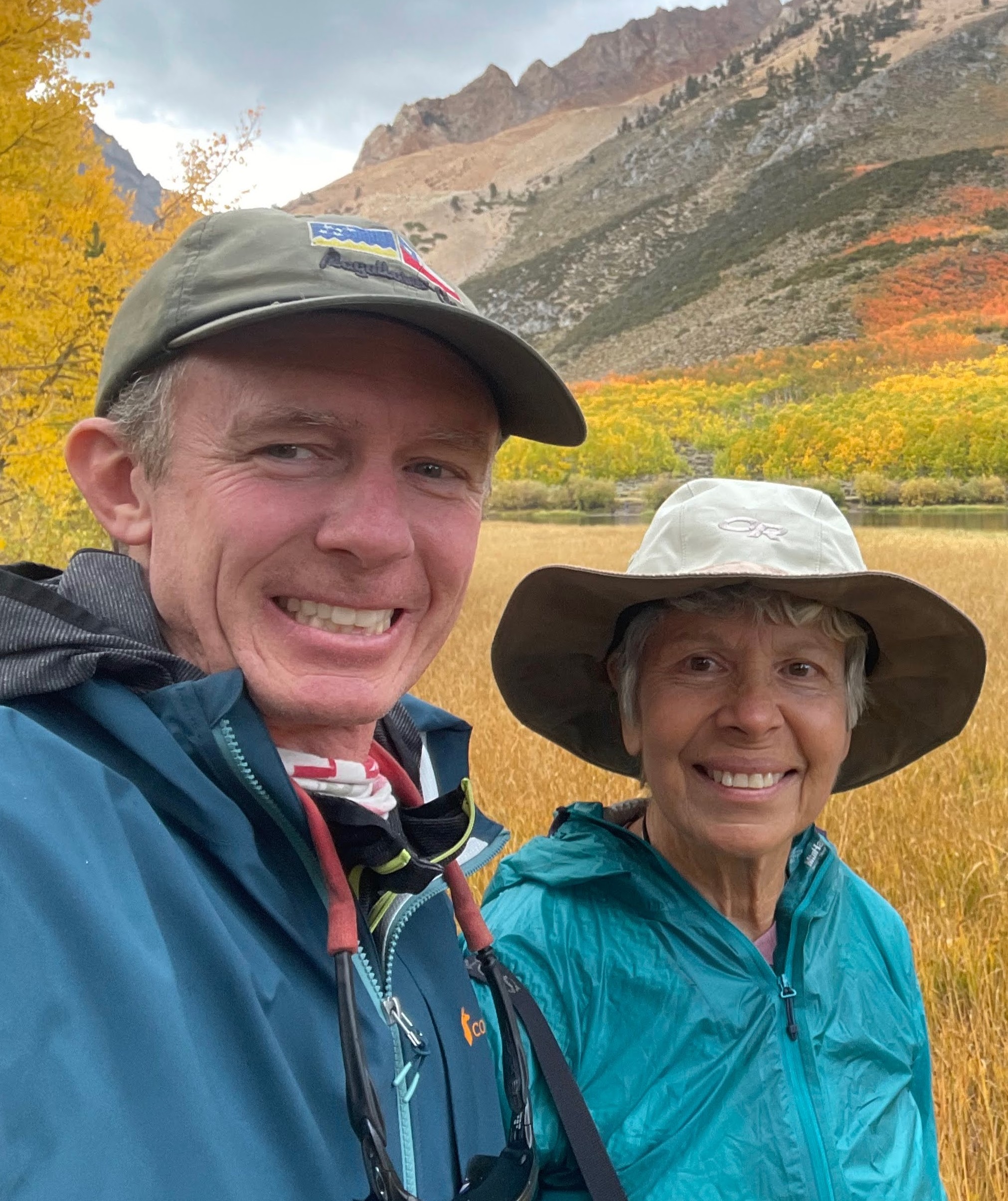
Chris and Rosie Howard begin and end most days sitting on the love seat, staring out the living room window at all the birds in the field behind their house. Bishop residents for 31 and 51 years respectively, their yard is listed as 4th in California for number of species on eBird. In addition to birding their patch of the planet, Chris and Rosie have sought feathered friends in Central America, mainland Ecuador, the Galapagos, Colombia, Chile, Cuba, Thailand, Bhutan, Australia, Africa, Alaska, Hawaii, and Europe. Chris has been the compiler and organizer of the Bishop Christmas Bird Count for over two decades and recent vice-chair of the California Bird Records Committee. Rosie is a retired educator who taught birds in the classroom for 12 years in Bishop schools. She completed the California Naturalist Program Transect of the Sierra in 2017. Chris and Rosie are the Inyo County subregional editors for North American Birds and the Inyo County coordinators for the California Bird Atlas (CBA). Their greatest accomplishment is that two of their nine grandchildren want to be Yosemite National Park Interpretive Rangers.
Programs leading:
• 312 – Birding Valentine Eastern Sierra Reserve (Saturday morning)
• 412 – Birding Valentine Eastern Sierra Reserve (Sunday morning)
Catherine Jones
Catherine Jones is the State Park Interpreter for Mono Lake. She leads bird tours and South Tufa tours throughout the season, and she is a longtime resident of the Mono Basin.
Programs leading:
• 424 – *Beginning Birders (Sunday morning)
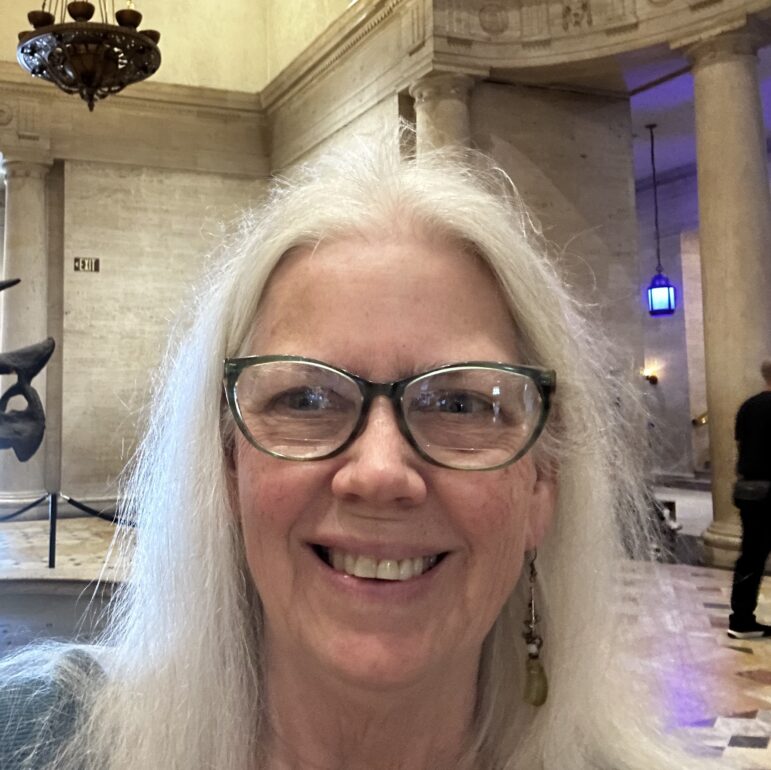
Sue Jorgenson
A long-time visitor and veteran of many Mono Lake Committee workshops, Sue Jorgenson combines her love and knowledge of art, field journaling, and Sierra nature in workshops. She lives and works in Southern California and can be found spending her vacations roaming in the canyons, meadows, and shores of the Mono Basin. At home, she can also be found tidepooling and hiking, as well as teaching herself art, journaling, and watercolor techniques.
Programs leading:
• 322 – Nature Documenters (Saturday morning)
• 420 – Nature Documenters (Sunday morning)
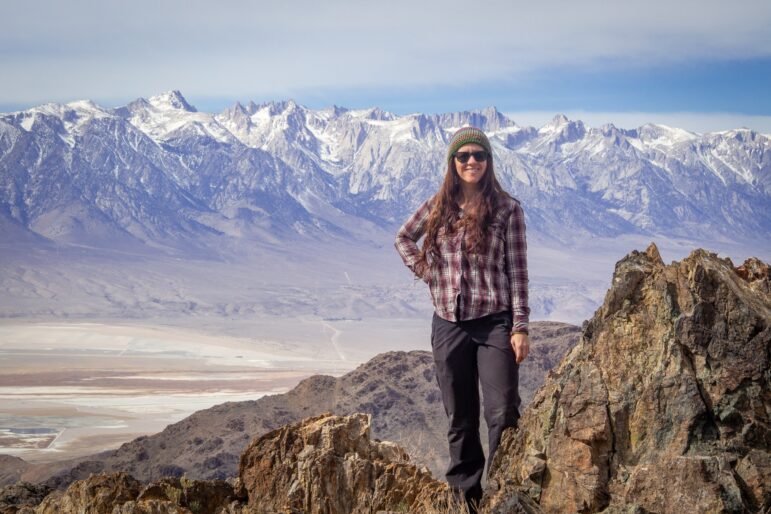
Michelle Kelly
Michelle is a naturalist, educator, and avid nature journaler who has spent years exploring the Eastern Sierra with notebook and binoculars close at hand. As the Education Manager for Sierra Forever, she helps people connect more deeply with the natural world through observation, curiosity, and creativity. Michelle believes that the best way to experience a place is to slow down and be curious and she’s notorious for taking forever on hikes due to needing to make multiple quick stops to “quickly jot down this cool thing” in a journal.
Programs leading:
• 225 – Nature journaling for birders (Friday afternoon)
• 327 – Nature journaling for birders (Saturday afternoon)
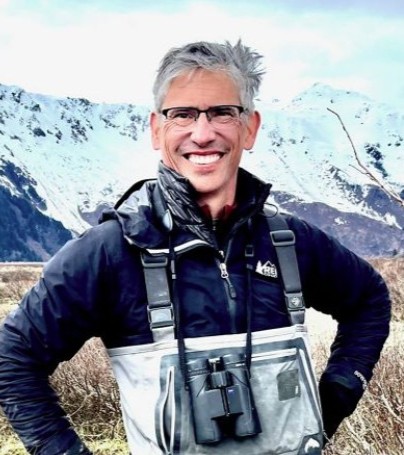
Rodd Kelsey
Rodd Kelsey is the California Land Program Director for The Nature Conservancy, where he leads efforts to create a larger, connected and resilient network of protected lands optimally managed for biodiversity and ecosystem function. He has published more than 40 papers on aspects of land conservation, wildlife-friendly agriculture, and migratory birds, and was an editor of the book Rewilding Agricultural Landscapes: A California Case-study, published in 2020. Rodd received his PhD from the University of California, Davis in ecology and animal behavior.
Programs leading:
• 206 – Birding Virginia Lakes (Friday morning)
• 305 – Crowley Lake: Marshes, migrants, mountains, and mud (Saturday morning)
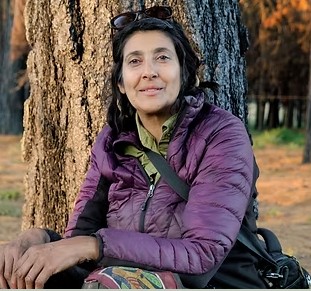
Maya Khosla
Biologist and writer Maya Khosla has led field trips across snag forests in Mono Basin for ten years. She has investigated post-fire regeneration and rare wildlife in snag forests, including Nelder Grove and Redwood Mountain Grove). As Sonoma County Poet Laureate (2018-2020), she brought Sonoma’s communities together through gatherings, field walks, and shared writing. Her books include All the Fires of Wind and Light (Sixteen Rivers Press) and “Keel Bone” (Bear Star Press; Dorothy Brunsman Poetry Prize). Her recent awards include the 2023 Fund for Wild Nature Grassroots Activist Award, the 2020 Environmentalist of the Year Award (Sonoma County Conservation Council, SCCC), and the 2020 PEN Oakland/Josephine Miles Literary Award.
Programs leading:
• 209 – Birding the snag forest (Friday morning)
• 309 – Birding the snag forest (Saturday morning)
• 407 – Birding the snag forest (Sunday morning)
Russell Kokx
Russell Kokx has worked for more than 32 years as a wildlife biologist and botanist in California and has more than 20 years of experience in the Eastern Sierra conducting nesting bird surveys, point counts, banding raptors, and surveying for rare plants. He has organized and led birding trips both locally and throughout Southeast Asia.
Programs leading:
• 217 – Birding the June Lake Loop (Friday morning)
• 416 – Convict Lake Wildflowers (Sunday morning)
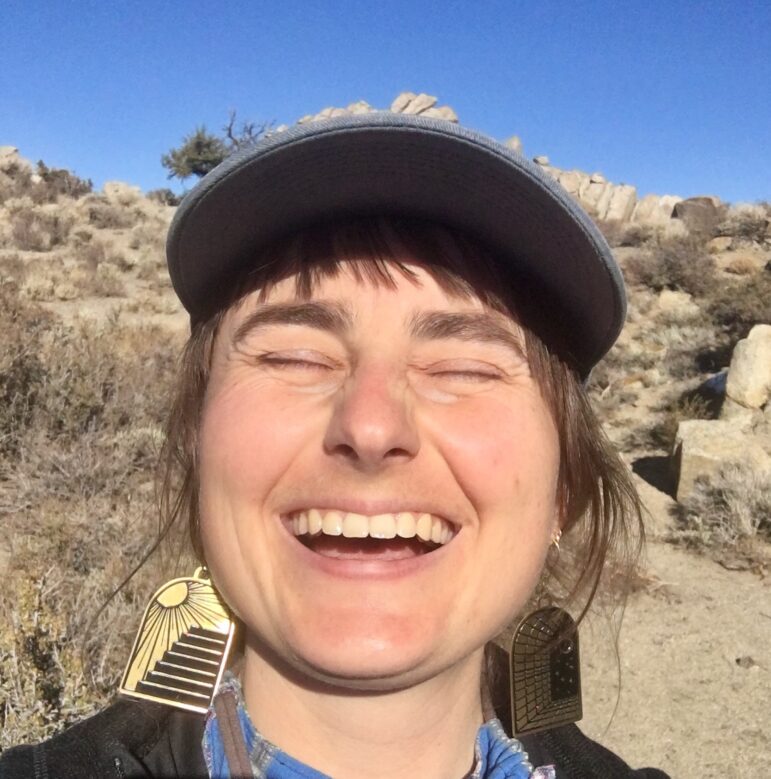
Nora Livingston
Nora Livingston fell in love with the Mono Basin in 2008 and has been birding and naturalizing here ever since. She loves to share her excitement for ecology and natural history with people to spark deep love and stewardship for the planet. Nora studies Wilson’s Phalaropes at Mono Lake for Oikonos Ecosystem Knowledge and is starting up a new natural history education business–stay tuned for updates!
Programs leading:
• 201 – Birding Wildrose canyon (Friday morning)
• 318 – Birding the North Mono Basin (Saturday morning)
• 411 – Birding Lundy Canyon (Sunday morning)
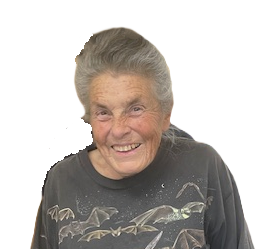
Burleigh Lockwood
Burleigh Lockwood has been a field biologist since the age of four, lying on her belly watching ant highways and caterpillars chewing on leaves. She pursued biology through high school and into college where she began her life with bats. While she was finishing her degree in Environmental Biology, she began working for California Fish & Wildlife as a seasonal biologist. In a career shift to the Forest Service, she became an official “hooter” on Spotted Owl surveys, learning the habits and hoots of the owls in the Sierra. While doing field work in the Sierra, she began volunteering for Fresno’s Chaffee Zoo Education Department. Now retired, she was a staff biologist and educator for the zoo, for over thirty years, presenting “Natural History Stuff” to children of all ages.”
Programs leading:
• 230 – *Who gives a hoot? (Friday afternoon)
• 234 – Bats in Lee Vining Canyon (Friday evening)
• 337 – Bats in Lee Vining Canyon (Saturday evening)
AnnaLisa Mayer
AnnaLisa Mayer is a naturalist passionate about bridging the connection between people and place. Having worked in diverse ecosystems across the country, AnnaLisa found herself returning repeatedly to the Eastern Sierra over the past decade. She now resides in the beautiful and often sunny Bishop area.
Programs leading:
• 202 – Crowley Lake: Marshes, migrants, mountains, and mud (Friday morning)
• 315 – Birding Lee Vining Canyon (Saturday morning)
• 404 – Mountains & birds: Birding Virginia Lakes (Sunday morning)
Chris McCreedy
Chris obtained his B.S. from the University of Michigan and headed west after graduation to work on Bell’s Vireos in the New Mexico desert. Before joining the American Bird Conservancy, Chris worked with Point Blue Conservation Science for over 20 years, implementing research projects that address a wide array of avian conservation issues. He worked at Mono Lake from 2001–2013, conducting a long-term demography study on Willow and Dusky flycatcher populations at Rush Creek. He is fascinated by drought impacts on bird populations, which is the focus of his M.S. research at the University of Arizona. He spends much of his free time searching for bird nests.
Programs leading:
• 205 – Birding Rush Creek Delta (Friday morning)
• 402 – Rare Bird Chase: Could be anywhere! (Sunday morning)
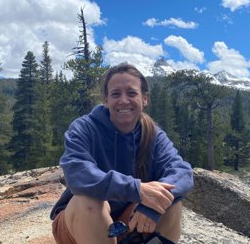
Maureen McGlinchy
Originally from New Jersey, Maureen first moved to the Sierra Nevada in 2002 as a seasonal biologist in Yosemite. Ten years later, she and her family were fortunate enough to land in Lee Vining. She’s loved digging into the hydrological processes, both natural and man-made, at work in the Mono Basin. You can find Maureen out on the trails with the dogs, trying to keep up with her speedy daughters on Mammoth Mountain, or relaxing with friends somewhere next to water.
Programs leading:
• 218 – Los Angeles Aqueduct Tour (Friday morning)
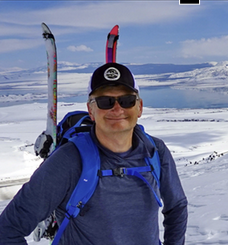
Geoff McQuilkin
Geoff McQuilkin is the Executive Director of the Mono Lake Committee. Geoff’s goals are ensuring Mono Lake’s continuing protection, restoring Mono Lake’s tributary streams, enhancing the Committee’s education program, and continuing the strong tradition of scientific research at Mono Lake. Geoff has worked for the Committee since 1992, and he’s happy to live close to the lake with his wife Sarah and their daughters Caelen, Ellery, and Cassia.
Programs leading:
• 226 – Touring Policy Hot Spots (Friday afternoon)
• 418 – *The Public Trust Doctrine and Mono Lake presentation (Sunday morning)
Bartshé Miller
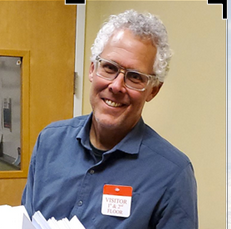
Bartshé has lived and worked in the Mono Basin since 1993. A former educator, he works on Mono Basin policy issues, protecting and restoring Mono Lake and its tributary streams. After years in Chicago, New York City, and Los Angeles, Bartshé migrated to Lee Vining to become a front-row fan of the Public Trust, outdoor education, adventure-gardening, roadkill ecology, and pursuing ephemeral phenomena around Mono Lake.
Programs leading:
• 220 – Saline Lake Ecology with Ben Abbott (Friday morning)
• 321 – Saline Lake Ecology with Ben Abbott (Saturday morning)
Nancy Muleady-Mecham
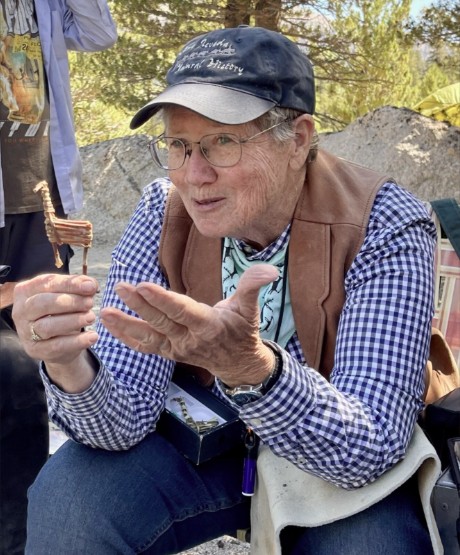
Doc Nancy is an Adjunct Professor of Biology at Northern Arizona University and Columbia College, Sonora, as well as a Visiting Lecturer for the University of Virginia Semester at Sea Program where she taught biology around the world. Doc Nancy was selected by the United States as a Fulbright Scholar and is a retired Career National Park Ranger Naturalist and Protection Range. She worked in numerous National Parks throughout the U.S. In addition to all aspects of the Natural History of the Sierra Nevada, Doc Nancy has been presenting Night Sky Astronomy talks for over 40 years and has taught Astronomy at the University level, including a bilingual community astronomy program in Siberia.
Programs leading:
• 235 – The Night Sky (Friday evening)
• 330 – The Wild World of Animal Adaptation (Saturday afternoon)
Lisa Murphy
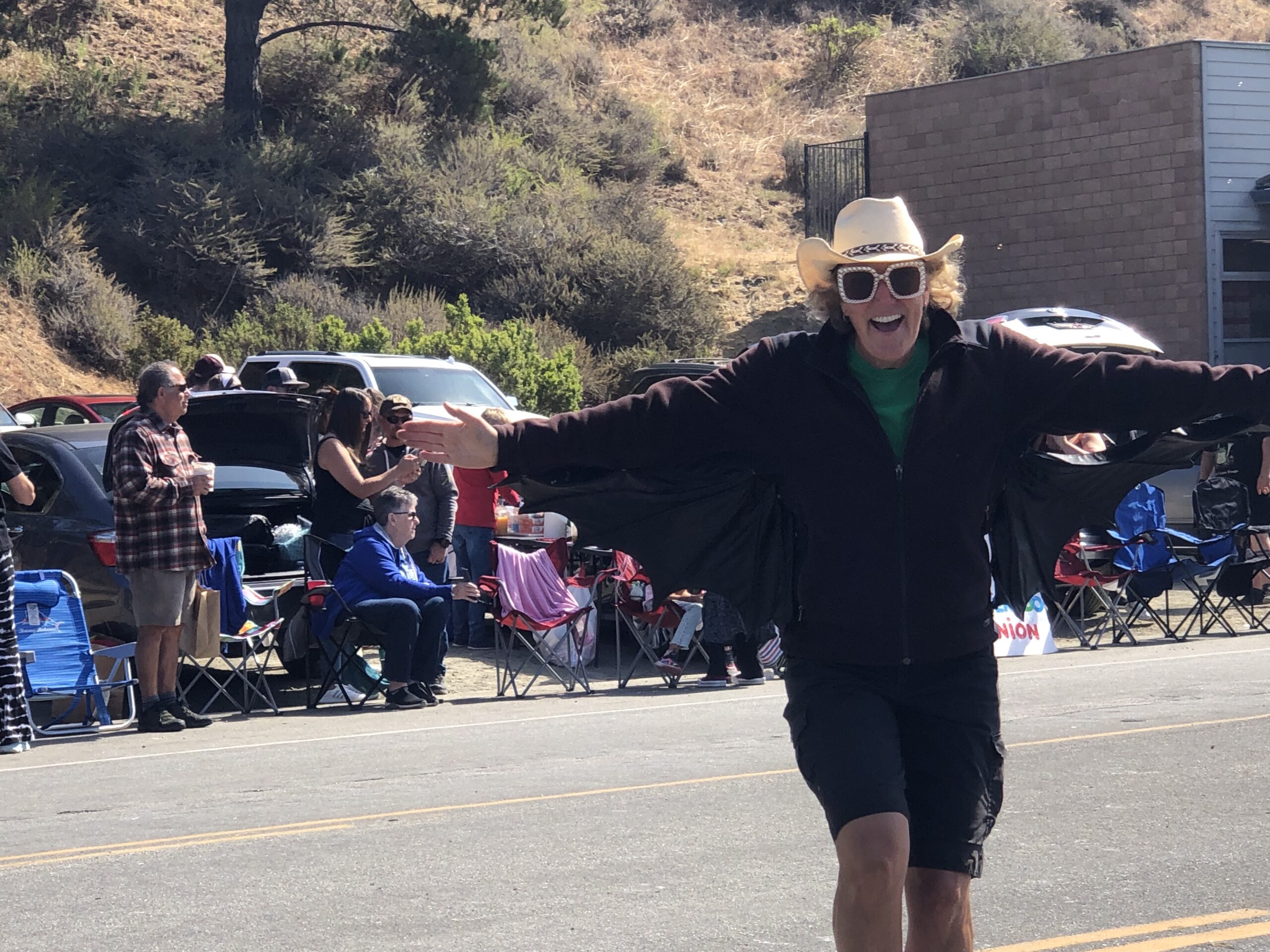
Lisa Murphy is a lifelong naturalist and adventurer. She welcomes the opportunity to share her love of the night sky and the flying mammals that forage there. She will be sharing knowledge and experiences in the hopes to encouraging others to protect these special creatures and the dark night sky which they rely on. Her Irish heritage shows through in her love for story and storytelling. Lisa was a Ranger-Naturalist in the high country of Yosemite for two decades. She currently teaches at Columbia College in Sonora, serves on the board of Greenspace Land Trust and manages the Gold Country Bat Project.
Programs leading:
• 234 – Bats in Lee Vining Canyon with Burleigh Lockwood (Friday evening)
• 338 – Solstice Starlit Stories (Saturday evening)
Ellie Neifeld
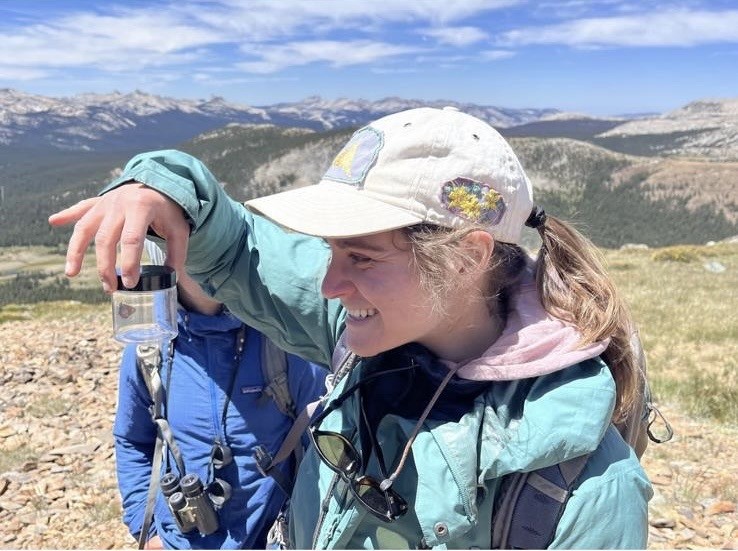
Ellie Neifeld is an Interpretive Ranger-Naturalist in Tuolumne Meadows. She is passionate about facilitating connections between people and public lands, and she draws on her science and naturalist background to tell stories that make landscapes come alive. In addition to watching and listening to birds, she also expresses her love for birds through painting. She painted this year’s Chautauqua art.
Programs leading:
• 203 – Convict Lake: Metamorphic peaks & beaks (Friday morning)
Karyn “Kestrel” O’Hearn
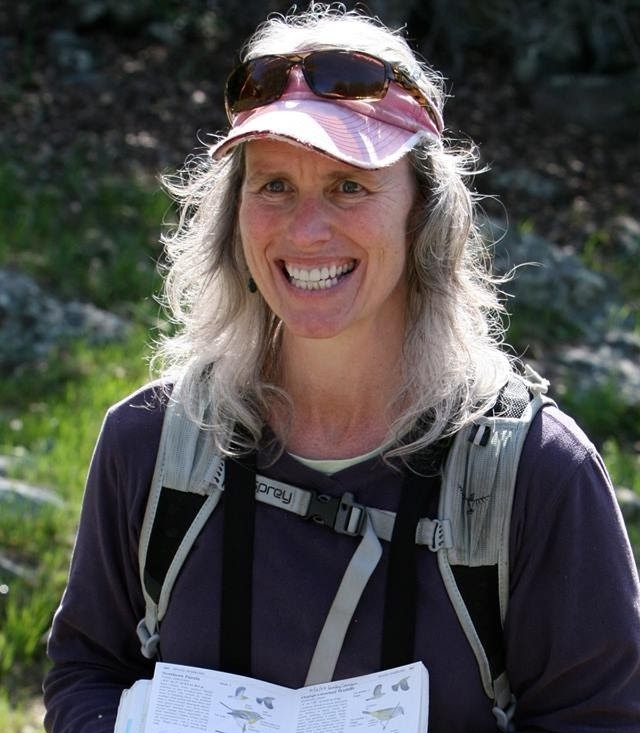
Karyn “Kestrel” O’Hearn began following birds around during UC Santa Cruz’s Natural History Field Quarter program while earning an Environmental Studies degree. Those experiences inspired over two decades teaching science at several northern California outdoor schools, teaching middle school science and math, and working in Yosemite National Park as a seasonal interpretive Ranger-Naturalist. In 2021, she completed a master’s in Avian Sciences at UC Davis. When not working, she has volunteered for local Audubon groups, co-instructed two California Naturalist courses, and continues to share her love for birds and natural history leading programs for Sierra Foothill Conservancy.
Programs leading:
• 219 – Learning to Listen: Birding by Ear for Beginners (Friday morning)
• 313 – Birding Horse Meadow (Saturday morning)

Brendan Peralez
Brendan is the Canoe Coordinator for the Mono Lake Committee. After several years in outdoor education in San Diego County and a summer spent guiding sea kayaks in Alaska, Brendan is thrilled to now call the Mono Basin home and use his skills to give high quality tours on the waves of Mono. When he’s not working, you’ll find him sniffing Jeffrey pines, perfecting his kayak roll, motorcycling around the Mono Basin, or explaining why he prefers calling binoculars “bins” instead of “binos.”
Programs leading:
• 102 – Birding Between the Breweries (Thursday afternoon)
Mara Krista Plato
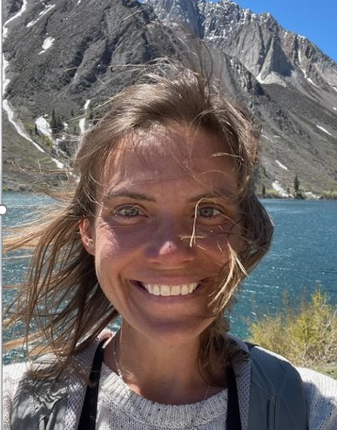
Mara is the Mono Lake Committee’s bookstore manager, and she is forever birding. Whether she is sipping coffee overlooking Mono Lake or in the company of her favorite people and dogs, she always has an ear tuned to the songs around her and always has her eyes looking for winged movements. She spent nine field seasons monitoring and protecting nesting birds and now she can’t help but share unsolicited bird knowledge. Mara loves pointing out bird songs to her sweet, new baby boy, Jesse Jules – he is so young but has already heard some amazing birds while traipsing around the east side.
Programs leading:
• 102 – *Birding Between the Breweries (Thursday afternoon)
Mike Prather
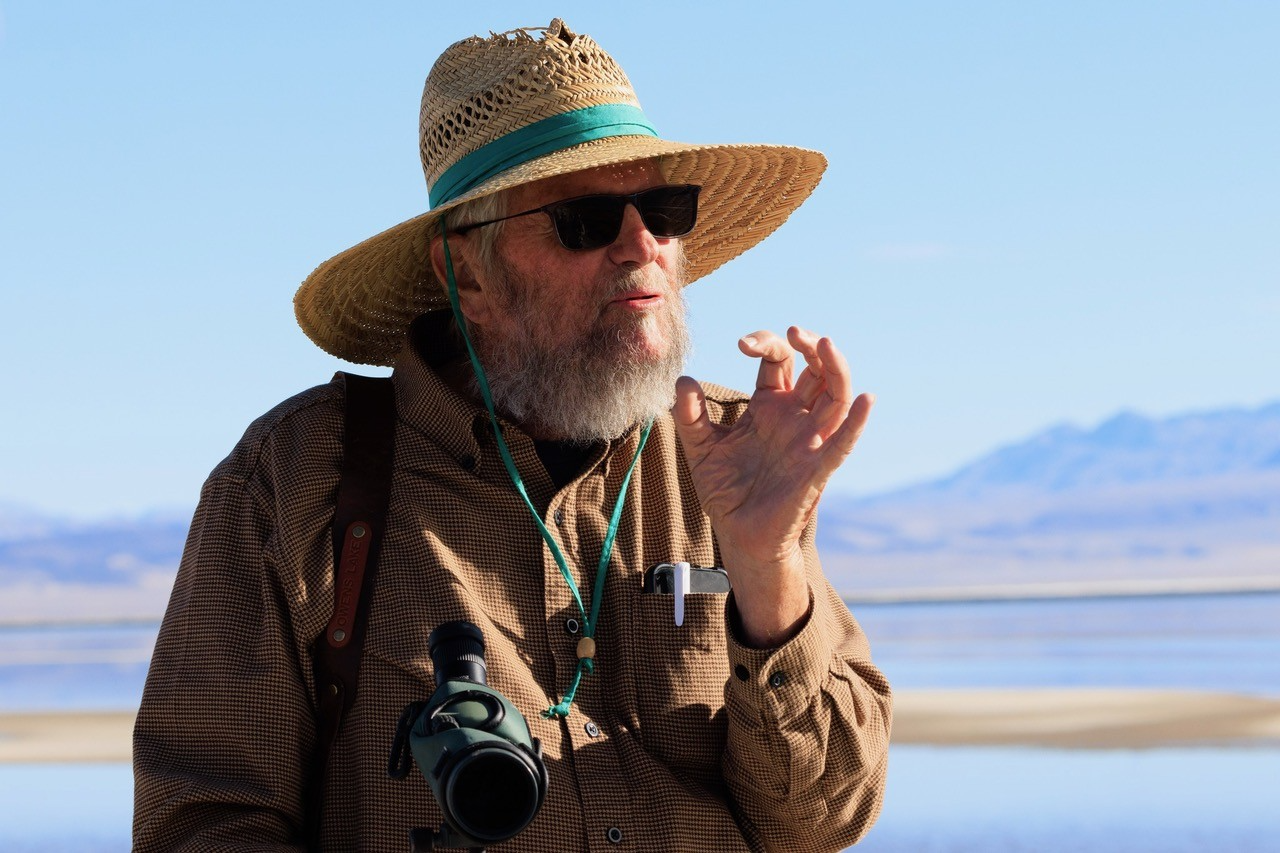
Mike Prather is a long-time resident of Lone Pine, CA whose conservation focus has been on birds at Owens Lake since the 1980’s. He led the efforts to have the lake designated as an Aububon Important Bird Area in 2001 and for it to become a part of the Western Hemisphere Shorebird Reserve Network (WHSRN) in 2018. Mike began lake-wide spring and fall bird surveys at Owens Lake in 2007 which in 2008 became a joint effort with LADWP that continues to the present. Since 2019 he has led phalarope surveys at Owens Lake for the International Phalarope Workgroup. His home is in the Alabama Hills looking down on Patsiata.
Programs leading:
• 336 – *Flights, camera, action! Short films on Shorebirds (Saturday evening)
• 413 – *Flights, Camera, Action! Field Trip (Sunday morning)
Will Richardson
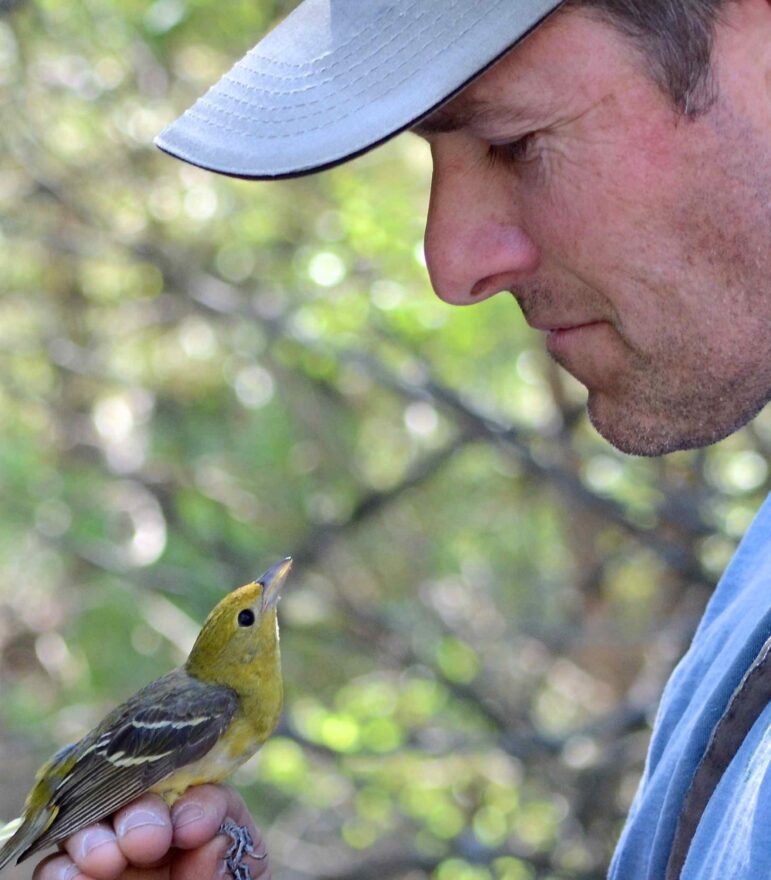
Will Richardson has been birding and conducting field research in the Sierra Nevada since 1994, including several seasons working for the organization formerly known as Point Reyes Bird Observatory, in the Mono Basin, and elsewhere in the Eastern Sierra. Will received his PhD in Ecology, Evolution, & Conservation Biology from the University of Nevada, Reno, studying bird communities in Sierra Nevada aspen habitats. He resides in Truckee and focuses his attention on the natural history of the Lake Tahoe region. He has been (very slowly) authoring a status and distribution guide for the birds of the Lake Tahoe Basin and is co-founder and Executive Director of the Tahoe Institute for Natural Science.
Programs leading:
• 215 – Birding Lee Vining Canyon (Friday morning)
• 303 – Birding Wildrose Canyon (Saturday morning)
Steve Root
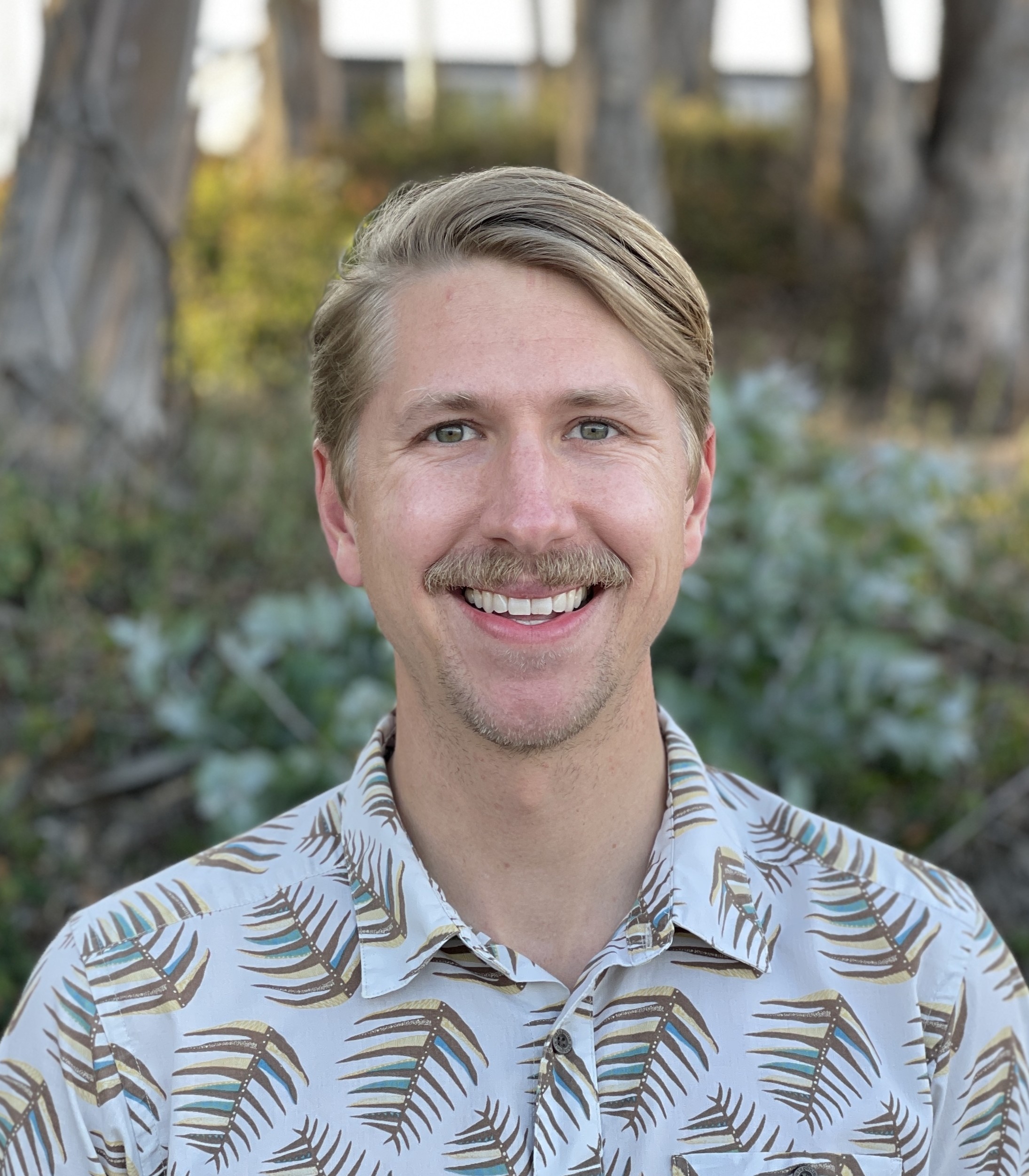
Steve Root is a field ecologist working the Eastern Sierra, where he spent the summer of 2025 studying the ecology of alkali flies (Ephydra hians.), their role in Mono Lake’s food web, and how they respond to changes in Mono Lake’s water levels. Steve has also conducted research on Common Ravens in Yosemite National Park and is interested in how human activity reshapes ecological communities across California.
Programs leading:
• 317 – *Flies on the Flyway (Saturday morning)
• 332 – *Ravenous Ravens: Human Food and Impacts on Native Species (Saturday afternoon)
Dave Shuford
Dave Shuford is an expert birder, avid naturalist and teacher, and a retired professional ornithologist. Dave’s bird research in the region includes a long-term study on the ecology of Mono Lake’s California Gull colony, an atlas of breeding birds in the Glass Mountain area, and surveys of Snowy Plovers at Mono and Owens lakes. More broadly his work focused on the distribution, abundance, and habitat needs of shorebirds and waterbirds in California and the West, particularly in areas where competition for water threatens Pacific Flyway bird populations (e.g., Klamath Basin, Central Valley, Salton Sea).
Programs leading:
• 311 – Mountains & Birds: Birding Virginia Lakes (Saturday morning)
• 406 – Birding the Mammoth Lakes Basin (Sunday morning)
Katie Smith
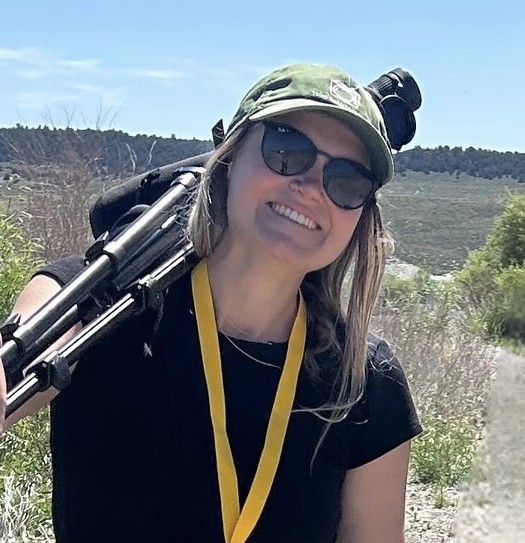
Katie is an avian ecologist who has studied birds in the Eastern Sierra for the past seven years. Through her research in alpine meadows, sagebrush seas, and saline lakes, she has fallen in love with the high desert and the birds that call it home. Now a graduate student at the University of Nevada, Reno, Katie serves on the board of the Eastern Sierra Bird Alliance as Vice President while working toward a doctorate in ecology. Beyond her career in avian ecology, she enjoys birdwatching, bird-themed jigsaw puzzles, collecting bird artwork, and nearly all other bird-related pastimes.
Programs leading:
• 229 – *California Breeding Bird Atlas (Friday afternoon)
• 231 – Twilight Birding in the Mono Basin (Friday evening)
Chris Spiller
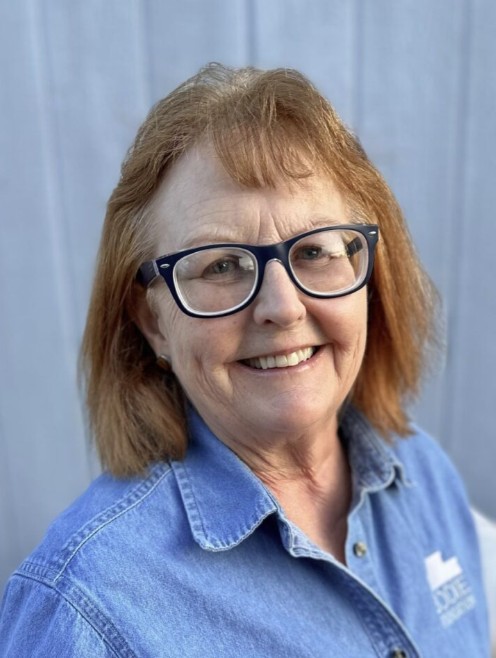
Chris works for the Bodie Foundation, the nonprofit organization that supports Bodie State Historic Park, Mono Lake Tufa State Natural Reserve, and Grover Hot Springs State Park. She guides tours for the Foundation at Bodie and Mono Lake and edits the Foundation’s biannual newsletter. She worked for California State Parks from 1997 to 2015, and spent 15 of those years at Bodie, presenting history talks and stamp mill tours. Her career also includes natural and cultural interpretive programs at Monterey State Historic Park, Big Basin Redwoods State Park, Mammoth Lakes, and Mono Lake.
Programs leading:
• 222 – Living at the Lake (Friday morning)
• 326 – Ghosts, Guns, & Gold: Bodie Revealed (Saturday afternoon)
Bob Steele
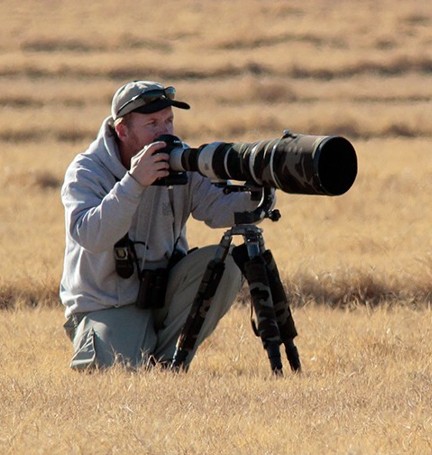
Bob Steele is a 30-year professional bird photographer from Inyokern. Bob has traveled around the country, to Central and South America, Australia, Southeast Asia, and the Southern Ocean, photographing birds along the way. Bob’s photos can be seen in many publications: Birding, Wild Bird, Birder’s World, Ducks Unlimited, National Geographic Traveler, and National Wildlife magazines; books include: multiple National Geographic field guides, the Smithsonian Field Guide to Birds of North America, the American Museum of Natural History Birds of North America, and the Stokes Field Guide to Birds of North America.
Programs leading:
• 211 – Bird Photography in the Field (Friday morning)
• 310 – Intermediate Bird Photography in the Field (Saturday morning)
• 324 – Introduction to Image Editing (Saturday afternoon)
Susan Steele
Susan Steele’s interest in birds began as a child in Idaho with evenings spent on the porch listening to meadowlarks. This interest blossomed into a passion when she moved to the California desert more than 30 years ago. An accomplished birder with many state and county records, she spends her free time birding, hiking, and enjoying the flowers in the Eastern Sierra.
Programs leading:
• 221 – Lundy Canyon Birding Expedition (Friday morning)
• 224 – Birding Lee Vining Canyon (Friday afternoon)
• 421 – Birding Rush Creek Delta (Sunday morning)
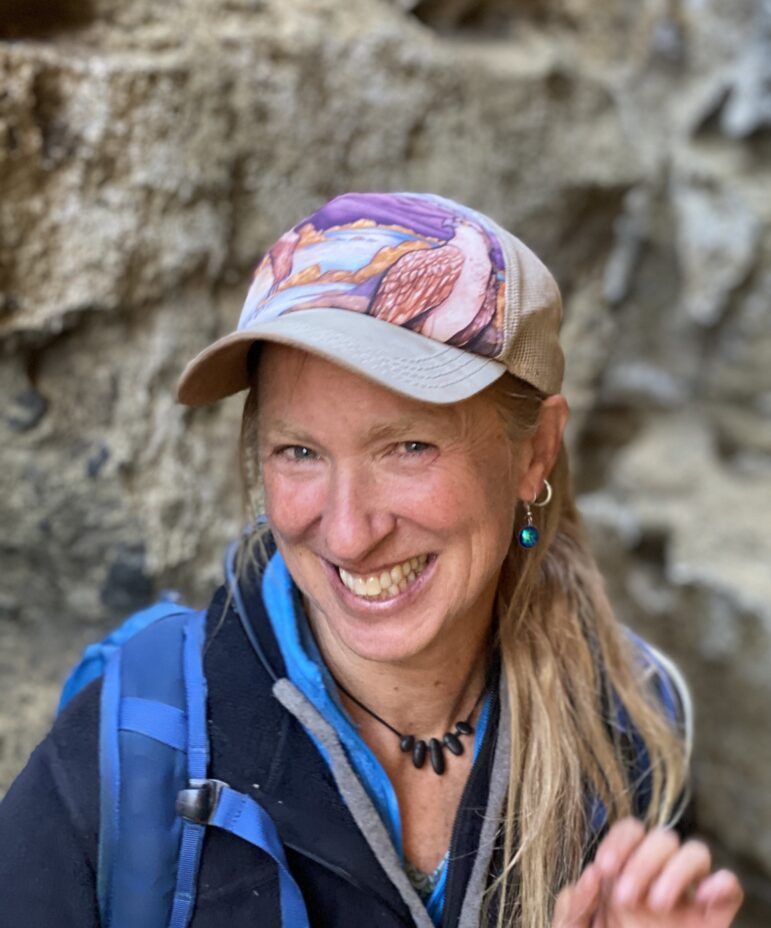
Sarah Stock
Sarah Stock is the wildlife ecologist for Yosemite National Park, where she has overseen the program for land-animal biodiversity since 2006. Early in her career as a field ornithologist, she explored bird populations in Alaska, California, Hawaii, Idaho, Louisiana, and the South Pacific. She earned her graduate degree at the University of Idaho with a research focus on the migration ecology of forest owls. In Yosemite, in addition to birds, Sarah studies bats, fisher, bighorn sheep, and Sierra Nevada red fox. With her family she lives in Yosemite Valley, where she enjoys birding, scrambling on steep cliffs, and naturalizing.
Programs leading:
• 409 – Birding Lee Vining Canyon (Sunday morning)
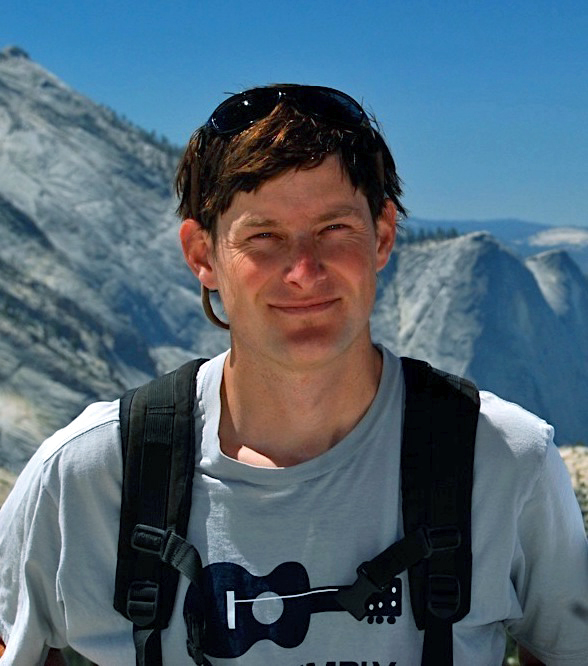
Greg Stock
Greg Stock is the first-ever Yosemite National Park geologist. He received a degree in Geology from Humboldt State University and a PhD in Earth Sciences from UC Santa Cruz. A near-lifelong resident of the Sierra Nevada, Greg has studied and mapped the geology of the Sierra Nevada and Mono Basin for more than 30 years. He resides in Yosemite Valley with his wife Sarah.
Programs leading:
• 415 – Geology of the Mono Basin (Sunday morning)
Jake Suppa
Jake Suppa is the Program Officer for the DeChambeau Creek Foundation and a longtime resident of the Mono Basin
Programs leading:
• 101 – *Stewardship Day with Dechambeau Creek Foundation (Thursday morning)
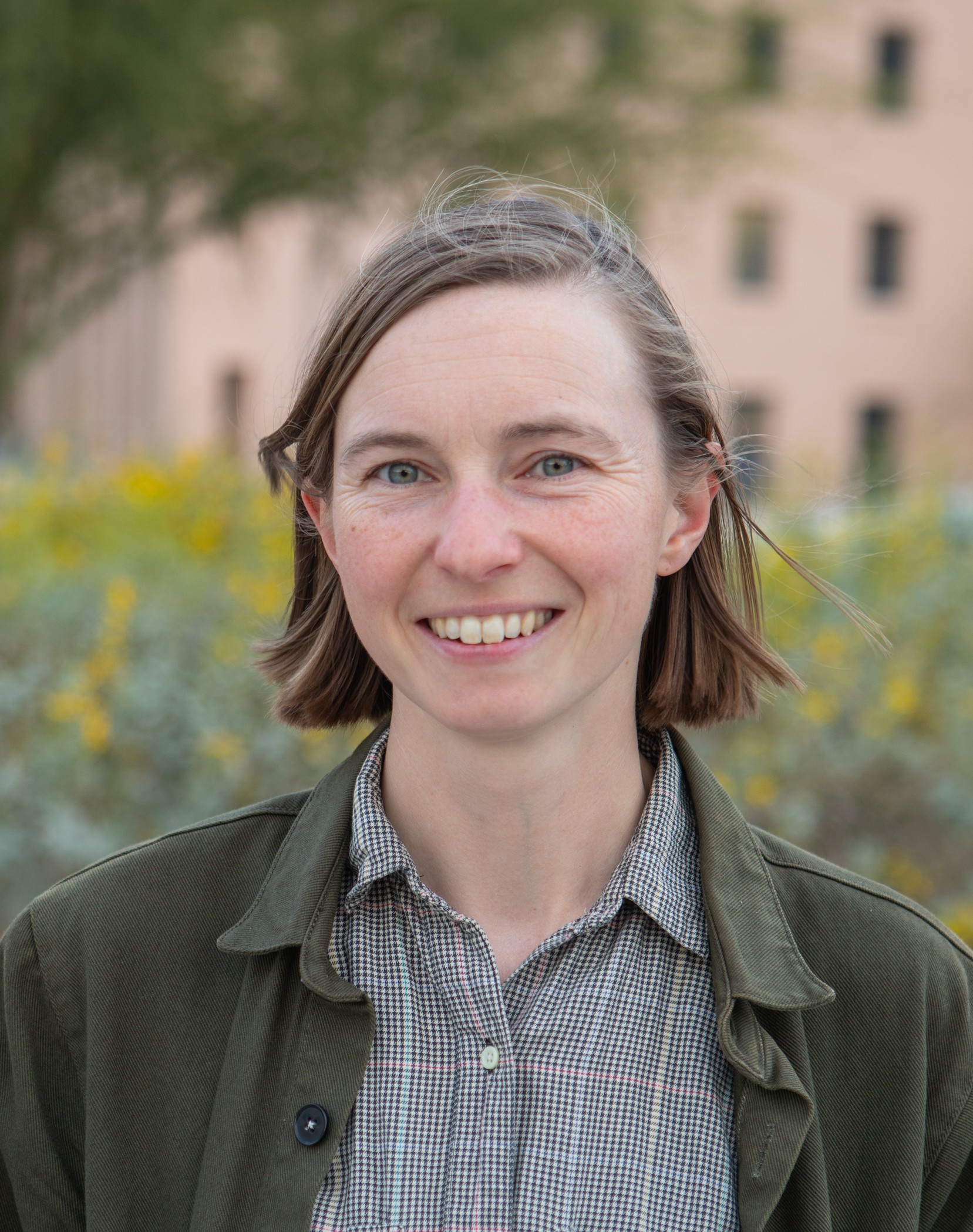
Caroline Tracey
Caroline Tracey is the author of Salt Lakes: An Unnatural History (W.W. Norton, 2026). Caroline’s writing about the US Southwest, Mexico, and their borderlands has appeared in New Yorker, n+1, New York Review of Books, High Country News, and Mexico’s Nexos. She has been the recipient of a Fulbright fellowship, the Waterston Prize for Desert Writing, a Creative Capital State of the Art award, and the inaugural On the Brinck | Places Prize for writing about the Southwest. She has also taught writing as a visiting professor at Deep Springs College. Originally from Colorado, Caroline holds a doctorate in geography from the University of California, Berkeley. She lives in Tucson, Arizona.
Programs leading:
• 419 – *Book talk and signing: Salt Lakes: An Unnatural History (Friday 4-5pm)
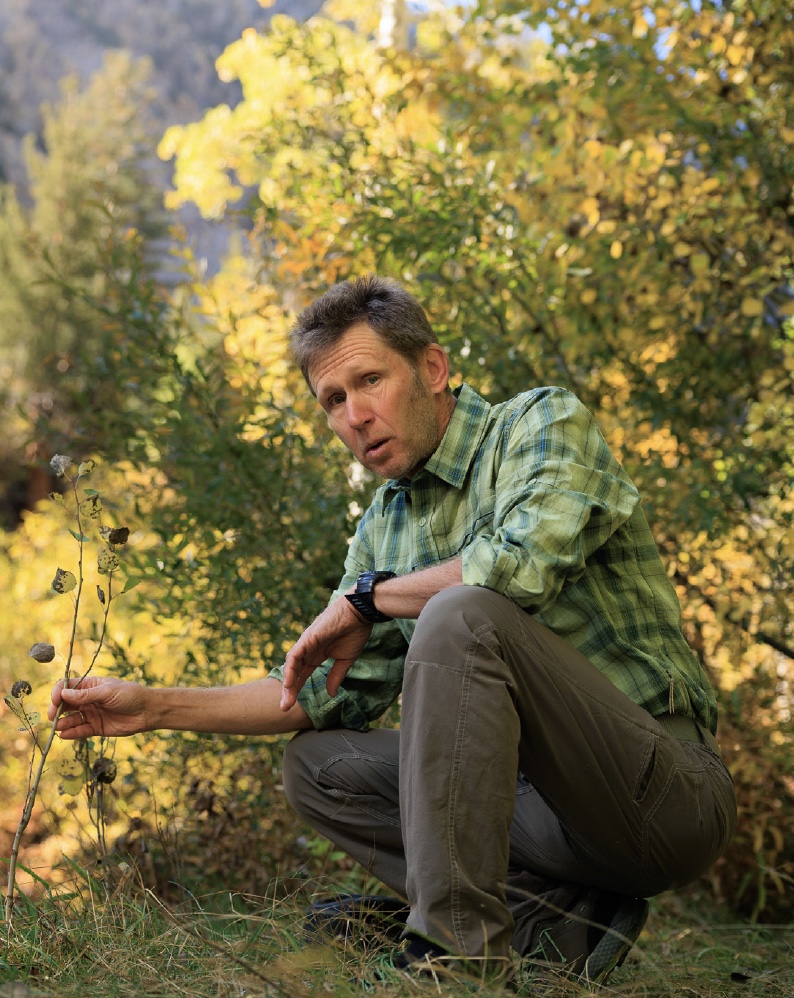
Todd Wanner
Todd is a fan of most activities involving movement in the outdoors: backcountry skiing, ice skating, hiking, running, fly fishing, paddling. He has been a public-school teacher over the past 30 years, most recently at Lee Vining High School, teaching Spanish, Physical Education, and Environmental Science retiring in December 2024. In 2011 Todd finished a master’s degree in environmental studies from Prescott College. His thesis research focused on motivations of college age Christians to care for the Earth. Todd is married to a naturalist and ski guide and is father to three wonderful girls.
Programs leading:
• 302 – Life zones of the Eastern Sierra and Mono Basin (Saturday morning)
John Wehausen
John Wehausen is an applied population ecologist who has studied bighorn sheep populations in California since 1974, beginning with the Sierra Nevada. He was instrumental in petitions that led to federal and state endangered status for Sierra bighorn, then wrote most of the recovery plan for those sheep. He also helped draft the recovery plan for desert bighorn sheep in the Peninsular ranges of California. More recently he drafted a conservation plan for desert bighorn sheep in southeastern California across the large region from the White Mountains to the Colorado River. In 1995 John helped found the Sierra Nevada Bighorn Sheep Foundation and serves as its president. In 2012 John retired as an Associate Research Scientist with the University of California’s White Mountain Research Station, but continues to work full-time on bighorn sheep conservation issues in California, including the Sierra Nevada.
Programs leading:
• 319 – Sierra Nevada Bighorn Sheep Afield (Saturday morning)
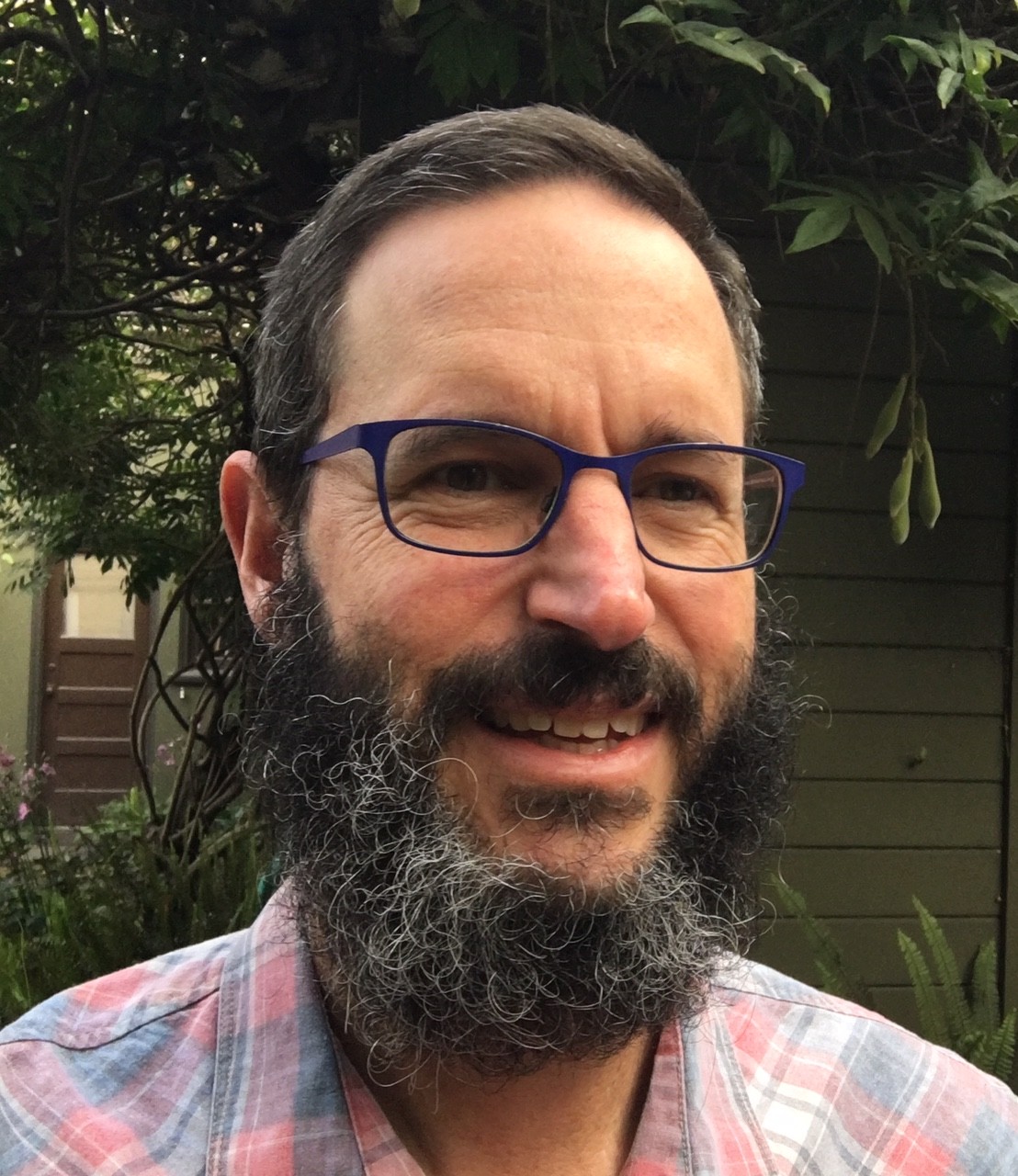
Evan Weissman
Evan Weissman (he/him) is a retired naturalist who has worked as an interpreter of natural and cultural history at Angel Island and Olompali State Historic Park in the San Francisco Bay Area. Evan leads tours and surveys birds as a volunteer with various organizations including Golden Gate Bird Alliance, the Marin County Breeding Bird Atlas, Año Nuevo State Park, and others. Evan enjoys not only identifying birds, but observing their behaviors and understanding their role in California’s diverse ecosystems.
Programs leading:
• 337 – Bats in Lee Vining Canyon (Saturday evening)
• 410 – Birding Bennettville (Sunday morning)
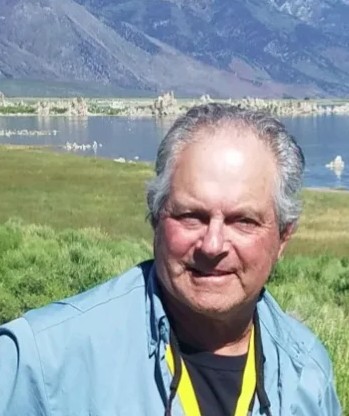
David Wimpfheimer
David Wimpfheimer worked for the Mono Lake Committee in the mid-1980s, accomplishing a variety of educational, development and promotional objectives. On eleven 350-mile fundraising Bike-A-Thons pedaling from Los Angeles to Mono Lake, he was known to pedal off-course to pursue birds and bird habitats. As a professional nature guide, David educates and interprets all aspects of the environment. For almost 40 years, David has led tours and taught classes for organizations such as the Smithsonian Institution, Point Reyes Field Institute, Mono Lake Committee, Oceanic Society, Road Scholar, and Wild Wings.
Programs leading:
• 223 – Birding Lundy Canyon (Friday afternoon)
• 301 – Big Day and more! (Saturday morning)
• 414 – Exploring Rattlesnake Gulch (Sunday morning)
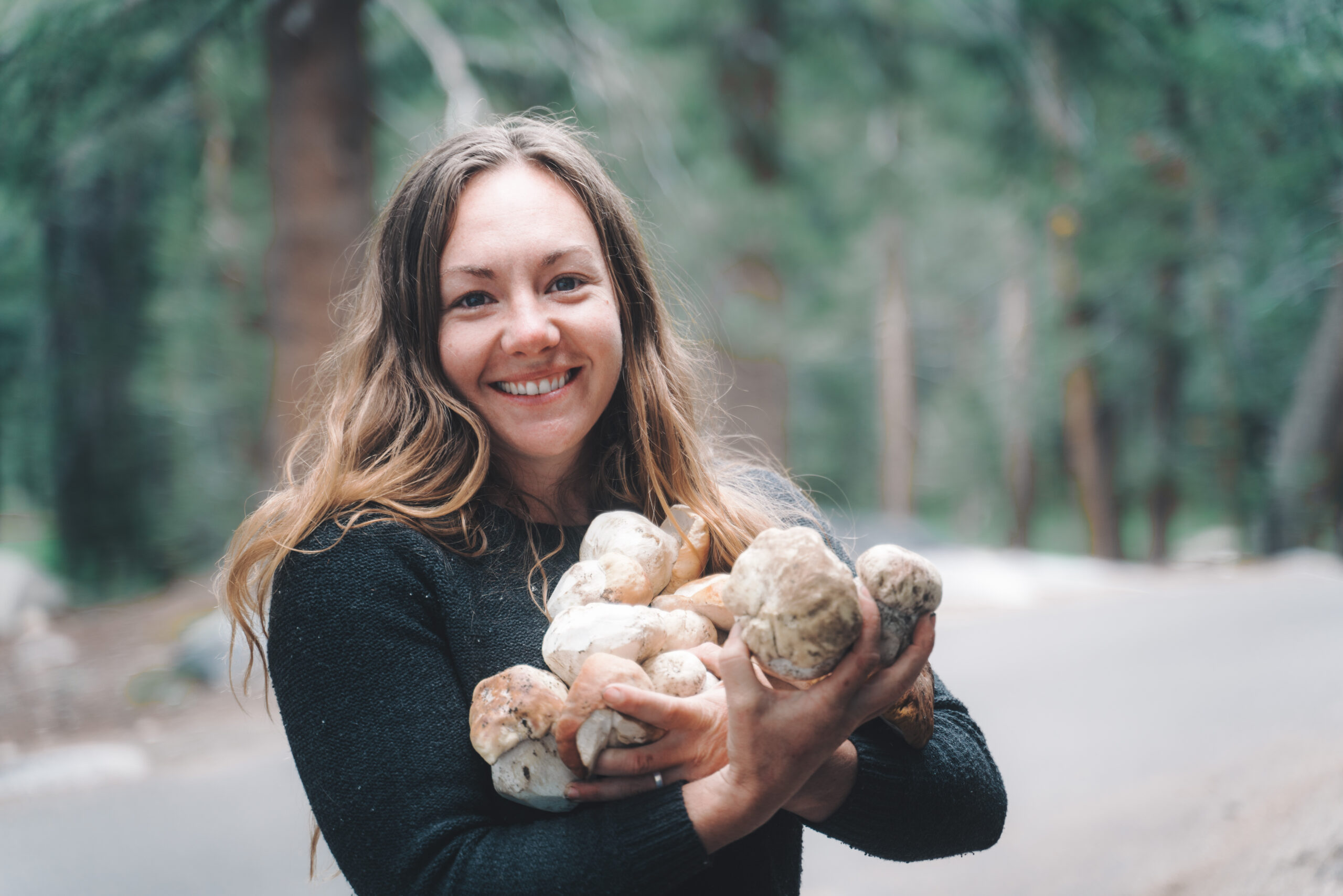
Gena Wood
Gena Wood lives in Bishop, California and works for the Eastern Sierra Land Trust. She moved to Yosemite National Park after college, became entranced and has been living in the Sierra Nevada for nearly a decade. Her obsessions with natural history and art have inspired her to study birds more closely through the medium of watercolor.
Programs leading:
• 325 – Birds in Watercolor – indoor workshop (Saturday afternoon)
• 405 – Green Creek’s colorful characters (Sunday morning)
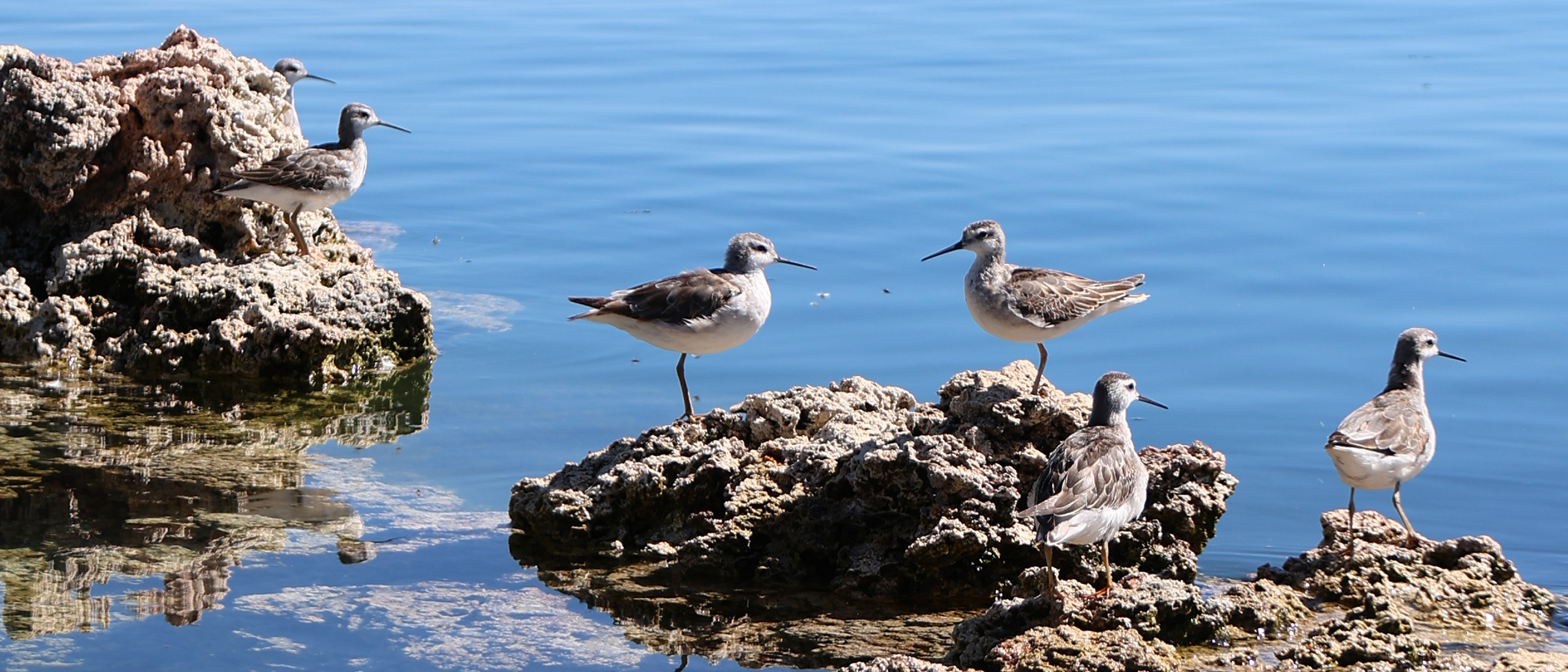
Top photo by Geoff McQuilkin.